
Solid state relays (SSRs) are critical components in modern automation and electrical systems. Their ability to switch high voltages and currents without mechanical contacts makes them highly reliable. Understanding a solid state relay diagram ensures precise connections and enhances operational safety standards, ultimately improving system performance. Technicians depend on solid state relay diagram for maintenance.
Key Components in a Solid State Relay Diagram
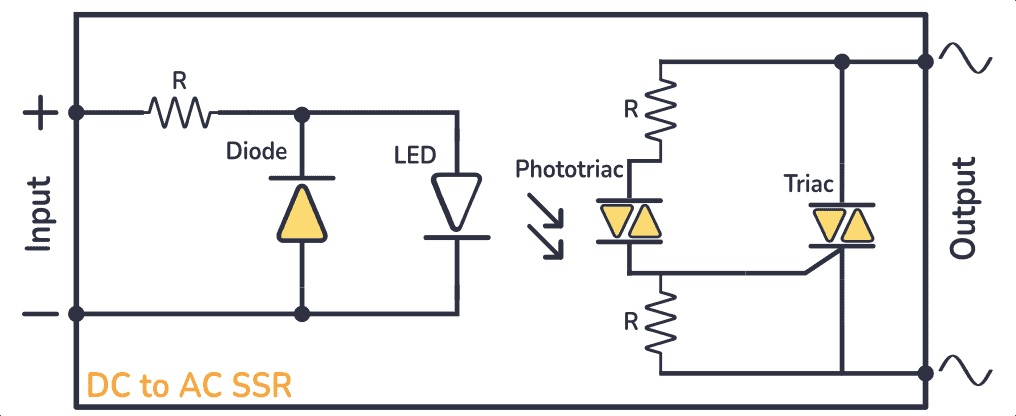
A solid state relay diagram provides a visual representation of its internal and external connections. Familiarity with these elements is essential for engineers and technicians. Typical components include:
- Input Control Terminals – These terminals receive control signals from low-voltage sources. Correct wiring ensures accurate relay activation.
- Output Switching Terminals – Connected to the load, these terminals manage high-power circuits safely.
- Opto-Isolator – This component separates the input from the output, protecting sensitive control circuits from high voltage.
- Semiconductor Switch – Usually a TRIAC or MOSFET, responsible for switching the load without mechanical wear.
- Protection Devices – Elements like snubber circuits prevent voltage spikes, enhancing system reliability.
Benefits of Using Solid State Relay Diagrams
Following a solid state relay diagram accurately brings numerous advantages:
- Precision in Connections – Diagrams provide exact pinout details, reducing errors during installation.
- Enhanced Safety Standards – Correct wiring ensures isolation between control and load circuits, minimizing risks.
- Efficient Troubleshooting – Clear diagrams allow technicians to quickly identify faults or incorrect connections.
- Prolonged Component Lifespan – Proper connection prevents overloading, ensuring SSRs last longer.
- System Reliability – Precise installations improve overall automation stability and performance.
Practical Tips for Implementing SSR Diagrams
To maximize the advantages of solid state relay diagrams, follow these practical guidelines:
- Verify Control Voltage – Always check that the input voltage matches the diagram specifications before connecting.
- Observe Load Ratings – Ensure the load does not exceed the SSR’s rated capacity.
- Maintain Correct Polarity – Proper connection of positive and negative terminals prevents malfunction.
- Use Protective Accessories – Incorporate fuses, heat sinks, or snubber circuits to enhance operational safety.
- Document Changes – If adjustments are made, update the diagram for future reference and maintenance.
Enhancing Operational Safety Through SSR Diagrams
Operational safety is paramount when dealing with high-power electrical systems. Solid state relay diagrams play a critical role by:
- Preventing accidental contact with live circuits.
- Ensuring opto-isolation protects control circuits.
- Guiding the correct installation of heat dissipation mechanisms.
- Reducing downtime by minimizing installation and troubleshooting errors.
Conclusion
Mastering solid state relay diagrams empowers engineers and technicians to create precise, safe, and reliable electrical systems. By following clear visual guides, professionals can enhance both performance and safety standards in automation and industrial applications. Utilizing these diagrams not only streamlines installation but also fosters confidence in system integrity, promoting long-term operational excellence.
