
Business

From Concept to Installation Full-Service Electric Hoist Manufacturing

Electric hoists are crucial components in industries that require the lifting, moving, and precise handling of heavy loads. From construction sites to factories and warehouses, these devices make it possible to move objects that are otherwise impossible for human labor to handle efficiently and safely. However, the development and installation of an electric hoist is not as simple as purchasing a machine off the shelf. The process begins long before the product is manufactured and ends only when the hoist is seamlessly integrated into its final operational environment. This journey—concept to installation—defines full-service electric hoist manufacturing.

Electric Chain Hoist Production Services

The Concept Stage: Understanding Needs

At the heart of full-service hoist manufacturing lies the concept stage. This phase is crucial because it determines the purpose and functionality of the hoist. During this stage, engineers and manufacturers collaborate closely with clients to understand the unique operational challenges they face. Variables such as load weight, lifting height, operational frequency, and the physical environment are all considered. The goal is to tailor a solution that meets specific requirements while ensuring safety and efficiency. Engineers use this information to design a custom solution, selecting the appropriate materials, power sources, and mechanical configurations. At this stage, modern technology, such as CAD software, is often used to create a detailed blueprint of the polipasto eléctrico de cable, which can then be analyzed and refined before moving into the next phase.

Manufacturing: Precision and Quality Control

Once the design is finalized, the manufacturing process begins. Full-service electric hoist manufacturers handle all aspects of production, including sourcing high-quality materials, machining components, and assembling the hoist. Many manufacturers employ stringent quality control measures to ensure that each component meets the required standards of strength, durability, and safety. This is critical in ensuring the longevity and reliability of the hoist, especially when it’s expected to handle heavy loads under demanding conditions. Modern manufacturing facilities often use advanced techniques such as CNC machining, automated welding, and robotic assembly to ensure precision and efficiency. Every part of the hoist, from the motor to the gears and brakes, is meticulously crafted to guarantee optimum performance. Moreover, manufacturers often conduct rigorous testing under simulated working conditions to verify that the hoist can perform at its rated capacity without fail.

Installation and Integration

The final step in full-service electric hoist manufacturing is installation. Unlike standard products that are delivered and left for the customer to install, full-service manufacturers provide comprehensive installation services. This includes delivering the hoist to the site, setting it up, and integrating it with existing systems. Installation teams ensure that the hoist is mounted securely and operates safely within the given environment. They also perform final inspections, ensuring that all electrical connections and mechanical functions work perfectly.

Business

Savor Stunning Views – Floating Piers Offer Unique Perspectives of Nature

In a world where urban landscapes often dominate our experiences, the Floating Piers offer a refreshing and breathtaking alternative, inviting visitors to embrace the beauty of nature from a unique vantage point. These innovative structures, designed to float on water, create an immersive experience that allows individuals to walk over lakes and rivers, redefining our interaction with the natural world. Imagine strolling across a vibrant walkway that undulates gently with the water, surrounded by the soothing sounds of nature – the rustling leaves, the gentle lapping of water against the piers, and the distant calls of birds. This harmony of elements transforms a simple walk into a meditative journey, enhancing one’s connection to the environment. The Floating Piers are more than just a means to traverse water; they are an artistic marvel that brings forth stunning views, often overlooked from traditional shorelines. Each pier serves as a stage, offering panoramic perspectives that change with the time of day, weather conditions, and seasonal shifts. Early morning might present a surreal landscape, where mist hovers above the water, shrouding everything in a veil of mystery.

As the sun rises, it bathes the scene in golden light, illuminating the vibrant floating pier of the surrounding flora and fauna. By midday, the reflections of clouds dancing on the water’s surface create an enchanting visual spectacle, while in the evening; the sunset casts a warm glow that transforms the entire atmosphere into a painter’s canvas. Visitors often describe the experience of walking on these piers as akin to stepping into a painting, where the landscape continuously evolves. The piers provide a unique platform for photographers and artists, capturing the ever-changing interplay of light, color, and movement. Each snapshot taken on the piers tells a different story, encouraging creative expression and inspiring a newfound appreciation for nature’s beauty. Moreover, the environmental aspect of the Floating Piers cannot be overlooked. Designed with sustainability in mind, they provide a space that minimally affects the ecosystem, allowing for an immersive experience without compromising the natural surroundings.

This thoughtful approach not only enhances visitor enjoyment but also fosters a sense of responsibility towards protecting our waterways and landscapes. Ultimately, the hiseadock Floating Piers invite us to slow down, take a breath, and appreciate the world from a different perspective. They remind us of the profound beauty found in nature, urging us to reconnect with our surroundings in a fast-paced world. As we walk across these floating marvels, we are not just observers; we become participants in a living artwork, each step taken a tribute to the exquisite harmony of land and water. This experience leaves a lasting impression, inspiring a deeper understanding and appreciation of the delicate balance within our natural ecosystems. Whether you are seeking solitude, inspiration, or simply a moment of reflection, the Floating Piers promise to deliver an unforgettable journey into the heart of nature’s beauty.

Business

Revolutionizing Education – Bold Initiatives for Improving Student Learning Opportunities

Revolutionizing education requires bold initiatives that address the diverse needs of students and equip them for success in an ever-changing world. One of the most impactful strategies is the integration of technology in the classroom. By incorporating digital tools, educators can create interactive and personalized learning experiences that cater to individual learning styles. Online platforms and educational apps allow students to learn at their own pace, providing access to a wealth of resources and information that traditional methods may not offer. This personalized approach not only enhances engagement but also fosters a sense of ownership over their learning, empowering students to take charge of their educational journeys. Another critical initiative involves redefining the curriculum to include skills that are essential for the 21st century. Beyond traditional subjects, education systems must emphasize critical thinking, problem-solving, and collaboration. Project-based learning is a powerful method that encourages students to work together on real-world problems, promoting teamwork and innovation. By engaging students in meaningful projects, educators can cultivate a deeper understanding of the material while also instilling essential life skills.

Furthermore, incorporating social-emotional learning SEL into the curriculum helps students develop resilience, empathy, and interpersonal skills, preparing them for both academic and personal challenges. Equity in education is also a fundamental aspect of reform. Initiatives aimed at closing the achievement gap are vital for ensuring that all students have access to high-quality education, regardless of their backgrounds. This includes investing in resources for underfunded schools, providing access to advanced coursework, and implementing mentorship programs that connect students with role models in their fields of interest. Southend-on-Sea Jonathan Ullmer has addressing systemic inequities, we can create a more inclusive educational landscape that recognizes and values the potential of every student. Additionally, the role of teachers must be reimagined in this new educational paradigm. Professional development programs that focus on innovative teaching strategies and the use of technology can empower educators to become facilitators of learning rather than mere providers of information. Collaborative teaching models, where educators work together to design and implement interdisciplinary lessons, can also enhance student learning experiences.

By fostering a culture of continuous improvement and collaboration among teachers, we can create a more dynamic and effective educational environment. Community involvement is another cornerstone of successful educational reform. Engaging parents, local businesses, and organizations in the educational process helps create a support network for students. Schools can partner with community members to provide resources, mentorship, and real-world learning opportunities, bridging the gap between classroom learning and practical application. Furthermore, involving families in their children’s education fosters a sense of belonging and accountability, reinforcing the idea that education is a shared responsibility. In conclusion, revolutionizing education requires a multifaceted approach that embraces technology, promotes equity, redefines teaching roles, and fosters community engagement. By implementing these bold initiatives, we can create an educational system that not only improves student learning opportunities but also prepares them for a future filled with challenges and possibilities. The ultimate goal is to nurture curious, capable, and compassionate individuals who are equipped to thrive in a complex world.

Business

From Design to Commissioning How EPC Services Simplify Mineral Processing

In the complex world of mineral processing, the transition from design to commissioning is a critical phase that can significantly impact the efficiency and success of a project. Engineering, Procurement, and Construction EPC services play a pivotal role in simplifying and streamlining this process. By integrating expertise in engineering, procurement, and construction, EPC providers ensure that mineral processing projects are completed on time, within budget, and to the highest quality standards. The journey begins with the engineering phase, where the EPC service provider undertakes comprehensive design work. This stage involves detailed planning and development of the process flow diagrams, equipment specifications, and layout designs. Engineers utilize advanced simulation tools and modeling techniques to optimize the design, ensuring that all components of the mineral processing plant function harmoniously. By leveraging their technical expertise, EPC providers can anticipate potential challenges and devise innovative solutions, minimizing the risk of costly modifications during later stages.

Once the design is finalized, the procurement phase begins. This stage is crucial for acquiring the necessary equipment, materials, and services required for construction. EPC providers manage the entire procurement process, from sourcing and purchasing to logistics and delivery. Their extensive network of suppliers and manufacturers enables them to secure high-quality components at competitive prices and use this link www.minejxsc.com. Furthermore, EPC providers handle the coordination of deliveries and ensure that all materials meet the project specifications. This streamlined approach reduces the risk of delays and ensures that the project remains on schedule. The construction phase is where the design and procurement efforts come to life. EPC contractors oversee the actual building of the mineral processing plant, managing all aspects of construction, including site preparation, equipment installation, and system integration. Their experience in coordinating multiple trades and subcontractors ensures that construction progresses smoothly and adheres to safety and quality standards. EPC providers also conduct rigorous testing and quality control throughout the construction process, identifying and addressing any issues before they escalate.

Finally, the commissioning phase marks the transition from construction to operational readiness. EPC services include the testing and optimization of the entire system to ensure that it operates efficiently and meets performance expectations. This phase involves the calibration of equipment, training of personnel, and implementation of operational procedures. EPC providers work closely with the client to ensure a smooth handover, how to identify gold ore addressing any final adjustments or modifications needed for optimal performance. EPC services simplify the mineral processing project lifecycle by providing a comprehensive, integrated approach to design, procurement, construction, and commissioning. Their expertise and coordination minimize risks, reduce costs, and enhance overall project efficiency. By entrusting an EPC provider with these critical tasks, clients can focus on their core business while ensuring that their mineral processing plant is delivered on time, within budget, and to the highest standards of quality.

Business

The Ultimate Serviced Office Experience – Where Quality Meets Convenience

In today’s fast-paced business world, the demands on professionals and companies are higher than ever before. Time, efficiency, and flexibility have become the cornerstones of success, making the choice of a workspace more critical than ever. Enter the ultimate serviced office experience—a space where quality seamlessly meets convenience, designed to elevate your business to new heights.

A Premium Workspace Designed for Success

The ultimate serviced office experience begins with a commitment to quality. From the moment you step through the door, you are greeted with an environment that exudes professionalism and sophistication. Every detail is meticulously curated to create a space that not only reflects the values of your business but also inspires productivity and creativity. High-end finishes, modern design elements, and ergonomic furniture are just the beginning. These offices are equipped with state-of-the-art technology, ensuring that you have all the tools you need to operate efficiently. High-speed internet, advanced telecommunications systems, and cutting-edge security measures are standard features, providing peace of mind and the capability to work seamlessly.

Convenience at Every Turn

While quality is paramount, convenience is the other half of the equation that makes this experience truly unparalleled. The ultimate serviced office is more than just a place to work—it is a comprehensive solution designed to meet the diverse needs of modern businesses. Imagine a workspace where everything you need is at your fingertips. From fully stocked kitchens with premium coffee and snacks to on-site support staff ready to assist with any technical or administrative challenges, 重庆办公室出租 every aspect of your day is made easier. Need to host a meeting or a client presentation? State-of-the-art conference rooms are available at a moment’s notice, equipped with the latest audiovisual technology to ensure your presentations leave a lasting impression. But convenience goes beyond the amenities. The location of your office is strategically chosen to offer easy access to major transport hubs, business districts, and key city locations. This ensures that you and your clients can reach the office with ease, whether by car, public transport, or even on foot.

Flexibility to Grow and Adapt

One of the standout features of a serviced office is its inherent flexibility. Unlike traditional office spaces that require long-term leases and significant upfront investments, serviced offices offer terms that can be tailored to your needs. Whether you need a single desk for a few months or a large office suite for a growing team, you can scale up or down as your business evolves. This flexibility is not just about physical space; it also extends to the services provided. Need additional administrative support, IT services, or a bespoke package that caters to unique business requirements? These can be arranged with minimal hassle, allowing you to focus on what truly matters—growing your business.

Business

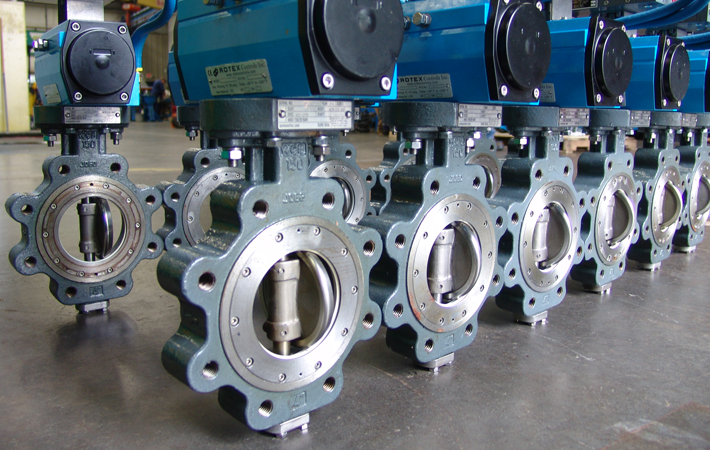
Butterfly Valve Manufacturers Safety and Efficiency in Industrial Applications

Butterfly valves are essential components in a variety of industrial applications, known for their efficiency in controlling flow and enhancing safety in complex systems. These valves, characterized by their quick operation and lightweight construction, have become the go-to choice for many industries, including water treatment, oil and gas, chemical processing, and power generation. Their ability to provide tight shutoff and precise control makes them invaluable in environments where operational reliability and safety are paramount. Manufacturers of butterfly valves have continually advanced the design and materials used in these critical components to meet the rigorous demands of modern industry. One of the key innovations has been the development of high-performance butterfly valves HPBVs, which offer superior resistance to high pressures and temperatures. These valves are designed to handle more extreme conditions than traditional butterfly valves, making them suitable for applications involving harsh chemicals, high-pressure steam, and abrasive slurries. The use of advanced materials, such as stainless steel, exotic alloys, and engineered polymers, has significantly improved the durability and lifespan of these valves, reducing the need for frequent maintenance and replacements.

Do You Need General Service or High Performance Butterfly Valves?

One of the significant strides in this area has been the integration of smart technology. Smart butterfly valves are equipped with sensors and actuators that allow for real-time monitoring and control. These intelligent systems can provide data on valve position, flow rates, and system pressures, enabling operators to optimize performance and anticipate potential issues before they become critical. The implementation of such technology not only enhances the efficiency of industrial processes but also contributes to greater safety by allowing for predictive maintenance and reducing the risk of unexpected failures. Safety is a critical concern in industrial applications, and butterfly valve manufacturers have made significant efforts to address this aspect. Modern Dombor butterfly valves are designed with features that enhance operational safety, such as fire-safe designs, which ensure that the valves can maintain their integrity and functionality in the event of a fire. This is particularly important in industries like oil and gas, where the risk of fire is ever-present. Additionally, manufacturers have developed valves with anti-blowout stems and leak-proof seals to prevent hazardous leaks and ensure the safe handling of toxic or flammable substances.

These designs minimize friction and contact between the disc and the seat, thereby extending the valve’s service life and maintaining a tight seal over a longer period. This is crucial in applications where even a small leak can lead to significant safety hazards or operational disruptions. The push towards sustainability has also influenced the development of butterfly valves. The butterfly valve manufacturers are now incorporating eco-friendly materials and processes in their production lines to minimize environmental impact. Additionally, the increased efficiency and reliability of modern butterfly valves contribute to energy savings and reduced emissions, aligning with the global trend towards more sustainable industrial practices. In conclusion, butterfly valve manufacturers are at the forefront of enhancing safety and efficiency in industrial applications through continuous innovation in design, materials, and technology. By addressing the stringent demands of modern industry and prioritizing operational safety, these manufacturers play a crucial role in ensuring that industrial processes run smoothly and safely.

Business

How to Troubleshoot Your Hot Water Heater like a Pro

Troubleshooting your hot water heater like a pro involves a series of methodical steps to diagnose and resolve common issues efficiently. Begin by verifying that the unit is properly receiving power. For electric models, check the circuit breaker or fuse box to ensure that no breakers have tripped or fuses have blown. If the heater is powered by gas, make sure the gas supply is turned on and that the pilot light is lit. If the pilot light is out, follow the manufacturer’s instructions for relighting it. If it does not stay lit, there might be a problem with the thermocouple or gas control valve, which may require professional attention. Next, inspect the thermostat settings. The thermostat controls the water temperature and should typically be set to around 120°F 49°C. If the water is not hot enough or is scalding, adjusting the thermostat to the appropriate setting might resolve the issue.

If you are dealing with a gas heater, ensure that the temperature control is set correctly and that the thermostat itself is functioning properly. For Jnod electric water heaters, you might need to check the heating elements. These components can fail over time, leading to inconsistent water temperatures. Use a multimeter to test the elements for continuity; if they are faulty, they will need to be replaced. Additionally, listen for unusual noises coming from the heater, such as rumbling or popping sounds. These noises are often indicative of sediment buildup inside the tank, which can insulate the heating elements and reduce efficiency. Flushing the tank to remove sediment can help alleviate this problem and restore the heater’s performance. Examine the tank and connections for any signs of leaks or corrosion. Leaks can indicate internal damage or a failing tank, which might necessitate a repair or replacement.

Additionally, check the anode rod, which is designed to protect the tank from corrosion. If the anode rod is significantly corroded, it should be replaced to prevent further damage to the tank. Regular maintenance is key to prolonging the life of your hot water heater. Periodically flushing the tank, inspecting components, and water heater companies checking for signs of wear can help prevent major issues. If, despite these troubleshooting steps, you find that the heater is still not functioning properly, it may be time to consult a professional plumber or technician. They can perform a more comprehensive diagnostic and address any complex issues that might be affecting the performance of your hot water heater. By following these steps, you can ensure that your hot water heater remains in good working condition and provides reliable service for years to come.

Business

Efficient Filtration Systems – Exploring Technological Advancements in Dust Collectors

In industrial settings, dust collectors play a critical role in maintaining air quality, protecting workers, and ensuring compliance with health and safety regulations. As industries evolve and the demand for cleaner and more efficient operations increases, so too does the innovation within dust collection technologies. Recent advancements are enhancing the efficiency, effectiveness, and sustainability of filtration systems, making them indispensable in various sectors such as manufacturing, woodworking, and food processing.

The Evolution of Dust Collection Technology

Historically, dust collector cfm chart have relied on basic principles of filtration, utilizing fabric filters, cyclones, or electrostatic precipitators to capture airborne particles. However, recent developments have introduced more sophisticated systems that utilize advanced materials and technologies. One significant advancement is the introduction of nanofiber technology in filter media. These filters are designed to capture smaller particles more effectively while maintaining lower resistance, which results in improved airflow and energy efficiency.

Smart Dust Collection Systems

The integration of smart technologies has transformed traditional dust collection systems into intelligent solutions. Modern dust collectors are equipped with sensors that monitor various parameters such as airflow, pressure drop, and filter condition in real time. This data enables predictive maintenance, allowing operators to identify potential issues before they lead to system failures. By analyzing trends, facilities can optimize operational schedules, reducing downtime and maintenance costs while ensuring consistent air quality. Moreover, connectivity through IoT Internet of Things enables remote monitoring and control of dust collection systems. Facility managers can access performance data and make adjustments from anywhere, enhancing operational efficiency.

Energy Efficiency and Sustainability

As industries face growing pressure to reduce their environmental impact, energy-efficient dust collectors are gaining popularity. Advanced systems now incorporate variable frequency drives VFDs that adjust motor speed based on real-time airflow requirements. This feature minimizes energy consumption during low-demand periods, leading to substantial cost savings and reduced carbon emissions. In addition to energy efficiency, many new dust collectors utilize recyclable or biodegradable materials for filter cartridges, contributing to a more sustainable approach to industrial operations. Some systems even employ self-cleaning technologies that enhance filter lifespan and reduce waste, further aligning with sustainability goals.

Regulatory Compliance and Safety

The importance of compliance with environmental regulations cannot be overstated. Dust collectors equipped with advanced filtration technologies ensure that facilities adhere to strict air quality standards, reducing the risk of fines and legal issues. Enhanced filtration systems are capable of capturing hazardous materials, including silica and other toxic particles, thereby safeguarding the health of workers and the surrounding community. Moreover, safety features such as explosion-proof designs and automatic shutdown mechanisms are becoming standard in modern dust collectors, providing additional protection in industries dealing with combustible dust and go now www.tysum.com. These innovations not only enhance worker safety but also protect valuable equipment and reduce insurance costs.

The advancements in dust collection technology reflect the broader trends of industrial innovation, emphasizing efficiency, sustainability, and safety. As industries continue to adopt these state-of-the-art systems, the benefits extend beyond regulatory compliance they contribute to healthier work environments and improved operational efficiency. Investing in modern dust collectors is not just a regulatory requirement but a strategic decision that can enhance productivity and environmental stewardship in today’s competitive industrial landscape.

Business

Reducing Downtime with Can Packaging Machines – Operational Excellence

Reducing downtime in can packaging machines is crucial for achieving operational excellence in the food and beverage industry. Downtime, defined as the period when a machine is not operational due to malfunction, maintenance, or changeover, directly impacts productivity, profitability, and customer satisfaction. By implementing effective strategies to minimize downtime, manufacturers can enhance efficiency, reduce costs, and maintain consistent production schedules. One of the primary strategies to reduce downtime is proactive maintenance. Regular inspections, preventive maintenance schedules, and predictive analytics can help identify potential issues before they escalate into major problems. By conducting routine checks on critical components such as conveyors, fillers, sealers, and labeling systems, manufacturers can prevent unexpected breakdowns and ensure machines operate at peak performance levels. This proactive approach not only minimizes downtime but also extends the lifespan of equipment, reducing long-term operational costs. Another key factor in reducing downtime is optimizing changeover processes. Efficient changeovers involve swiftly transitioning between different can sizes, product types, or packaging formats without extended interruptions.

Investing in quick-change parts, standardized procedures, and employee training can significantly streamline changeover times. Additionally, leveraging automation technologies for changeover tasks can further expedite the process and reduce human error, thereby minimizing downtime associated with reconfiguration. Implementing robust quality control measures is also essential for reducing downtime. Inspecting raw materials, monitoring production processes, and conducting regular quality checks can prevent issues such as jams, misalignments, or defective products that can halt production and get more info at www.levapack.com. By maintaining strict quality standards and promptly addressing any deviations, manufacturers can ensure continuous operation of can packaging machines and avoid costly downtime related to rework or product recalls. Moreover, enhancing operator skills and knowledge plays a pivotal role in downtime reduction. Well-trained operators can troubleshoot minor issues, perform routine maintenance tasks, and operate machinery efficiently, reducing the likelihood of downtime due to operator errors or mishandling. Embracing a holistic approach to downtime reduction not only enhances operational efficiency but also drives sustainable growth and competitiveness in the market.

Providing comprehensive training programs, continuous skills development, and empowering operators to take ownership of machine performance can foster a culture of proactive maintenance and operational excellence. Utilizing advanced monitoring and diagnostic technologies also contributes to downtime reduction efforts. Real-time data analytics, remote monitoring capabilities, and sensor-based systems enable manufacturers to detect potential issues early, optimize machine performance, and schedule maintenance proactively. By leveraging these technologies, can sealer manufacturers can minimize unplanned downtime, improve overall equipment effectiveness OEE, and enhance production efficiency. Furthermore, establishing effective communication and collaboration between maintenance teams, production personnel, and suppliers is crucial for minimizing downtime. Clear communication channels, timely reporting of issues, and collaborative problem-solving can expedite resolution times and prevent prolonged disruptions to production schedules. Implementing a structured approach to downtime tracking and analysis allows manufacturers to identify recurring issues, implement corrective actions, and continuously improve operational efficiency. Reducing downtime in can packaging machines is integral to achieving operational excellence in the food and beverage industry.

Business

The Role of Insurance in Car Transport Services – What You Need to Know

Shipping a car can be a stressful experience. You are entrusting a valuable possession to a company to navigate potentially long distances and unfamiliar roads.  That is where insurance comes in, acting as a crucial safeguard against unforeseen events during the transportation process. Understanding the different types of coverage and how they function empowers you to make informed decisions and ensures your car arrives safely at its destination. Car transport companies typically offer basic liability coverage as part of their service. This protects you in the unfortunate scenario where your vehicle causes damage to other cars or property during transport. However, this basic coverage does not extend to protecting your own car. That is where additional insurance options come into play. Most car transport companies will offer you the opportunity to purchase supplemental insurance for your vehicle. This additional coverage can provide financial reimbursement in case of various situations, giving you peace of mind throughout the transportation process.

Collision Coverage: This protects your car from damage caused by accidents during transport, regardless of who’s at fault. Whether it is a collision with another vehicle or an incident involving the carrier’s truck, this coverage ensures you are not left footing the repair bill.

Theft Coverage: This safeguards your car against theft while in the carrier’s possession. In the rare case your car goes missing during transport, this insurance will compensate you for its full declared value.

Top Car Towing Services in Karaikudi - Best Towing Services - Justdial

Vandalism Coverage:  This covers damage to your car caused by vandalism during transport.  Unexpected acts like scratches or broken windows can be covered, depending on the specific policy.

Comprehensive Coverage: This is a more comprehensive option that often combines collision, theft, and vandalism coverage into a single policy. It offers broader protection against a wider range of risks, including damage caused by natural disasters like hail or fire.

The cost of this additional insurance will vary depending on several factors. The value of your car, the distance it is being transported, and the chosen level of coverage all play a role in determining the premium.  It is important to weigh the cost of the insurance against the potential financial burden of repairs or replacement in case of an incident.

Here are some additional points to consider when navigating car transport insurance:

Read the Fine Print:  Do not just assume all insurance policies are created equal. Carefully review the details of any policy offered by the транспорт на автомобили company. This includes understanding the deductible the amount you will pay out of pocket before the insurance kicks in and any exclusions that might apply.

Existing Car Insurance:  Check with your personal car insurance provider to see if your existing policy offers any coverage for transportation. Some comprehensive car insurance plans might extend limited protection during transport, though it is always best to confirm the specifics with your insurer.

Carrier’s Reputation:  Research the reputation of the car transport company you are considering. A company with a proven track record of safe and reliable transportation reduces the overall risk and potentially lowers your insurance costs.