Business

Expand Product Collections With Trusted Office Supply Manufacturers

Expanding a product collection is one of the most effective ways to meet changing customer expectations and encourage repeat business. Working with trusted office supply manufacturers creates opportunities to introduce practical, durable, and appealing products that support different workplace needs. A dependable manufacturing partnership also helps businesses maintain consistent quality while adapting to new market demands with confidence. Careful product planning combined with reliable production strengthens long-term growth and builds customer satisfaction.

office supplies supplier

Benefits Of Partnering With Reliable Manufacturers

Choosing experienced manufacturers provides several valuable advantages that improve product availability and business performance.

  • Consistent product quality across every order.
  • Reliable production schedules for better inventory planning.
  • Flexible manufacturing options for different product categories.
  • Improved product durability and functionality.
  • Professional quality control throughout production.
  • Scalable manufacturing that supports business expansion.
  • Efficient communication during every production stage.

These strengths allow businesses to introduce new office products while maintaining customer confidence and operational efficiency.

Build A Diverse Product Portfolio

A broad product selection allows businesses to serve a wider range of customer preferences and workplace requirements. Expanding into complementary product categories creates additional sales opportunities while strengthening market presence. During sourcing strategies, many businesses successfully develop b2b office supplies collections that support organizations seeking dependable workplace essentials with consistent quality and value.

Consider adding products such as:

  • Writing instruments for everyday use.
  • Filing and document organization products.
  • Desk accessories for improved workspace efficiency.
  • Storage and presentation solutions.
  • Packaging and mailing supplies.
  • Workspace cleaning essentials.
  • Planning and scheduling materials.
  • Educational and administrative accessories.

Offering multiple product categories increases purchasing convenience while encouraging customers to source everything they need from one supplier.

Maintain High Manufacturing Standards

Strong manufacturing processes contribute directly to customer satisfaction and long-term business success. Reliable manufacturers focus on precision, material selection, and thorough inspections throughout production.

Important quality practices include:

  • Careful raw material selection.
  • Multiple quality inspection stages.
  • Consistent production monitoring.
  • Durable product construction.
  • Secure packaging methods.
  • Continuous process improvements.
  • Stable manufacturing capacity.

These practices reduce product issues while supporting dependable inventory management.

Support Sustainable Business Growth

Long-term partnerships with trusted manufacturers create a stable foundation for continuous expansion. Businesses can confidently introduce new products, respond to seasonal demand, and maintain dependable supply without compromising quality.

Growth is supported through:

  • Faster product expansion opportunities.
  • Better inventory consistency.
  • Increased customer satisfaction.
  • Greater purchasing flexibility.
  • Stronger supplier relationships.
  • Improved operational efficiency.
  • Long-term business stability.

Expanding product collections through trusted office supply manufacturers creates lasting value for businesses seeking dependable sourcing and consistent product excellence. Reliable production, diverse product offerings, and strong quality standards help businesses strengthen customer relationships while supporting sustainable growth. A thoughtful manufacturing partnership encourages continuous improvement, enhances product availability, and provides the confidence needed to build a successful and competitive office supply business for many years ahead.

Business

Healthy Looking Skin Loves Modern Beauty Machine Technology

Healthy-looking skin is often associated with confidence, comfort, and a refreshed appearance. Modern beauty machine technology has become an excellent addition to skincare routines by supporting skin enhancement goals through advanced, non-invasive methods. These innovative solutions help improve the overall skincare experience while promoting a radiant and vibrant complexion.

Why Beauty Machine Technology Supports Skin Wellness

Modern beauty machines are designed to complement skincare practices with precision and consistency. Their advanced features can help individuals achieve smoother and more refined-looking skin.

Key Advantages

  • Supports a more even-looking skin texture
  • Encourages a brighter and fresher appearance
  • Enhances the effectiveness of skincare routines
  • Promotes a well-maintained complexion
  • Provides comfortable and convenient treatment options
  • Helps target multiple skincare concerns
  • Suitable for a variety of beauty goals

Advanced Features That Improve Results

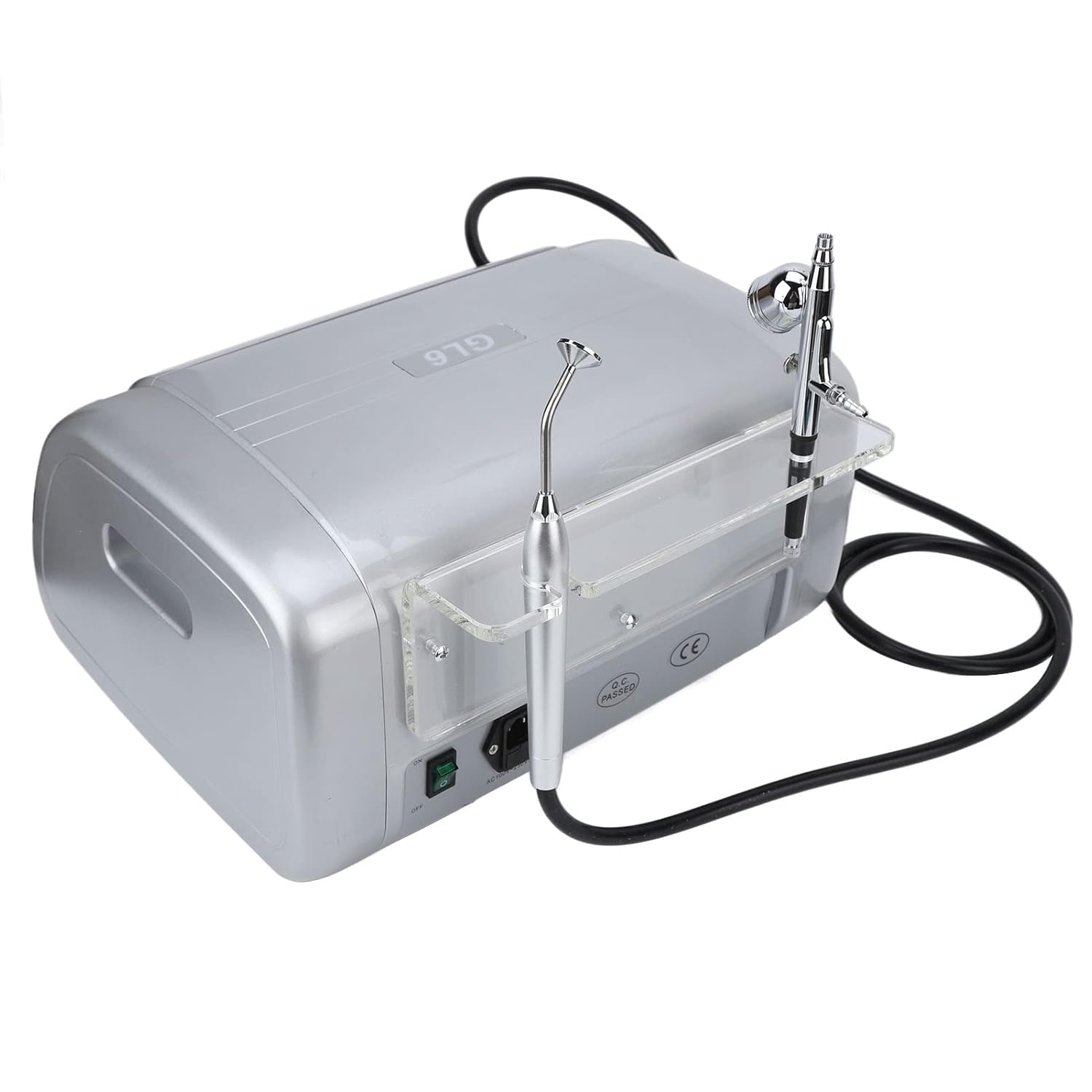
Beauty Machine

Modern beauty machine technology incorporates specialized functions that contribute to visible skin improvements. These features are designed to deliver reliable support for beauty professionals and skincare enthusiasts alike.

Popular Technology Benefits

  • Gentle treatment experiences
  • Consistent performance during procedures
  • Precise application for enhanced accuracy
  • Support for personalized skincare approaches
  • Improved efficiency in beauty treatments
  • Enhanced comfort during sessions
  • Reliable solutions for long-term skincare maintenance

Supporting a Healthy and Radiant Appearance

Maintaining healthy-looking skin requires regular care and attention. Beauty machines can play a valuable role in supporting this process by complementing traditional skincare methods.

Skin Enhancement Opportunities

  • Helps improve the appearance of dull-looking skin
  • Supports a refreshed and energized complexion
  • Assists in maintaining smoother-looking skin
  • Encourages a youthful and vibrant glow
  • Promotes overall skin confidence
  • Contributes to a polished appearance
  • Supports consistent skincare progress

Many professionals appreciate how resources such as https://www.konmison.com/it/ can provide insights into modern beauty machine technology and evolving skincare solutions that support positive treatment experiences.

Personalized Beauty Care Solutions

Every individual has unique skincare goals, and modern beauty machines help create tailored treatment approaches. This flexibility allows users to focus on specific areas while maintaining a comprehensive skincare strategy.

Benefits of Customized Approaches

  • Adaptable treatment options
  • Targeted skincare support
  • Flexible beauty care routines
  • Enhanced user satisfaction
  • Better alignment with individual goals
  • Consistent treatment experiences
  • Improved overall skincare management

The Future of Healthy-Looking Skin

Beauty machine technology continues to evolve with innovative advancements that support effective skincare practices. These developments make it easier to maintain healthy-looking skin while enjoying comfortable and efficient beauty treatments.

Reasons for Growing Popularity

  • Innovative treatment capabilities
  • Reliable skincare support
  • Convenient beauty solutions
  • Positive user experiences
  • Long-term skincare benefits
  • Enhanced confidence and satisfaction
  • Continued advancements in beauty technology

Healthy-looking skin thrives when supported by consistent care, thoughtful routines, and modern beauty machine technology. With advanced features, personalized options, and dependable performance, these solutions contribute to achieving a radiant, refreshed, and beautifully maintained complexion.

Business

The Benefits of Investing in High-Quality Outdoor Structures

Outdoor structures can transform a property into a more enjoyable, functional, and visually appealing space. Whether designed for relaxation, entertainment, or everyday use, investing in durable and well-crafted outdoor features offers long-term value. High-quality structures not only enhance comfort but also contribute to the overall beauty and usability of outdoor areas throughout the year.

Enhanced Outdoor Living Experience

Well-designed outdoor structures create inviting spaces that encourage people to spend more time outside. They provide comfort, shade, and protection while supporting a variety of activities.

  • Create comfortable areas for relaxation and leisure
  • Offer protection from sun and light weather conditions
  • Provide dedicated spaces for gatherings and family activities
  • Improve the overall functionality of outdoor environments
  • Encourage greater use of outdoor spaces year-round

Increased Property Appeal

Design your Outdoors

Quality outdoor additions can significantly improve the appearance of a property. Their attractive designs and durable construction contribute to a polished and well-maintained look.

  • Enhance visual appeal with elegant architectural features
  • Create a more organized and cohesive landscape design
  • Add character and charm to outdoor settings
  • Complement existing exterior elements
  • Leave a positive impression on visitors and guests

Long-Term Durability and Value

Choosing premium materials and construction methods helps ensure outdoor structures remain attractive and reliable for years. This reduces the need for frequent repairs or replacements.

  • Resist wear caused by changing weather conditions
  • Maintain structural integrity over extended periods
  • Require fewer major repairs and renovations
  • Provide dependable performance year after year
  • Deliver strong long-term value for the investment

Greater Comfort and Versatility

Outdoor structures can serve multiple purposes, making them valuable additions to any property. They can be adapted to suit changing needs and lifestyles.

  • Support dining, entertaining, and recreational activities
  • Create shaded areas for improved comfort
  • Offer flexible spaces for different occasions
  • Help define separate functional zones outdoors
  • Increase enjoyment of outdoor environments

Improved Aesthetic Design Options

Modern outdoor structures are available in a wide range of styles and finishes. This allows property owners to create customized spaces that reflect personal preferences while maintaining a sophisticated appearance.

  • Blend seamlessly with various design themes
  • Enhance landscaping with attractive focal points
  • Support creative outdoor decorating ideas
  • Add depth and dimension to exterior spaces
  • Contribute to a refined and inviting atmosphere

Practical Benefits for Everyday Use

Beyond appearance, high-quality outdoor structures provide practical advantages that make daily life more convenient and enjoyable. Their thoughtful design improves the overall outdoor experience.

  • Offer dependable shelter for outdoor activities
  • Create comfortable spaces for social interaction
  • Help maximize the usability of available outdoor areas
  • Provide a structured setting for relaxation
  • Support a cleaner and more organized environment

Many homeowners exploring outdoor upgrades consider options such as pergolas ireland because of their ability to combine style, functionality, and lasting durability. By investing in high-quality outdoor structures, property owners can enjoy greater comfort, enhanced beauty, and long-term value while creating outdoor spaces that remain welcoming and useful for years to come.

Business

Real Estate Agents Create Positive Investment Journeys Through Responsive Customer Focused Assistance

Real estate agents play a crucial role in shaping successful property investment journeys by offering responsive, customer-focused assistance at every stage of the process. Their ability to understand investor goals, respond quickly to market changes, and provide expert guidance ensures smoother decision-making and stronger investment outcomes. With a commitment to service quality and client satisfaction, they help investors navigate opportunities with clarity and confidence. Businesses strengthen promotional campaigns through professional guidance from https://www.boekweitolie.nl/ resources online.

Understanding Investor Goals with Precision

A successful investment journey begins with a clear understanding of financial objectives, risk appetite, and long-term expectations. Real estate agents prioritize personalized consultation to align property options with investor ambitions.

  • Analyze investment goals such as income generation or capital growth
    • Understand budget capacity and preferred property types
    • Identify short-term and long-term financial expectations
    • Tailor recommendations based on risk tolerance and strategy

Responsive Communication for Faster Decisions

Real Estate Agents

Timely communication is essential in real estate investment, where opportunities can change rapidly. Agents ensure quick responses and consistent updates to keep investors well-informed.

  • Provide real-time updates on property availability
    • Respond quickly to queries and investment concerns
    • Share market changes and emerging opportunities promptly
    • Maintain continuous communication throughout the process

Market Analysis and Data-Driven Insights

Real estate agents support investors with reliable market insights that help them make informed, strategic decisions. Their understanding of trends ensures better evaluation of property potential.

  • Analyze pricing trends and historical market performance
    • Identify high-demand locations with growth potential
    • Evaluate rental yields and return on investment factors
    • Provide comparative property assessments for better choices

Strategic Property Selection Support

Agents streamline the investment process by narrowing down suitable property options based on detailed analysis and investor preferences, saving time and effort.

  • Curate properties aligned with financial objectives
    • Highlight undervalued or high-growth potential assets
    • Assess property condition and future appreciation scope
    • Recommend diversified investment opportunities

Efficient Transaction and Documentation Management

Smooth execution of investment transactions is essential for success, and agents ensure that all administrative and legal requirements are handled efficiently.

  • Assist with legal documentation and compliance procedures
    • Coordinate with financial institutions and property experts
    • Track deadlines and ensure timely completion of transactions
    • Support transparent and organized investment processing

Negotiation for Maximized Investment Value

Real estate agents act as strong negotiators who work to secure favorable deals that enhance investment value while maintaining professional relationships between all parties.

  • Negotiate competitive purchase prices effectively
    • Manage counteroffers with strategic communication
    • Ensure fair and transparent deal structures
    • Optimize investment returns through smart negotiation

Customer-Focused Assistance and Ongoing Support

A defining feature of real estate agents is their dedication to customer satisfaction. Their continuous support builds trust and ensures a positive investment experience.

  • Offer guidance at every stage of the investment journey
    • Provide post-purchase assistance and market updates
    • Build long-term investor relationships based on trust
    • Ensure a stress-free and supportive experience

Conclusion

Real estate agents create highly positive investment journeys by combining responsive communication, deep market expertise, and customer-focused service. Their ability to understand investor goals, deliver timely insights, and manage complex transactions ensures better decision-making and improved financial outcomes. Through strategic property selection, strong negotiation skills, and continuous support, they help investors maximize value while minimizing stress. Ultimately, their commitment to professionalism and responsiveness transforms real estate investment into a structured, confident, and rewarding experience that supports long-term success and sustainable growth.

Business

Celebrate Firefighting Excellence through Beautifully Crafted Custom Recognition Coins

Firefighters dedicate themselves to protecting lives, responding to emergencies, and serving communities with courage and commitment. Recognizing these remarkable efforts is essential, and custom recognition coins provide a meaningful way to celebrate achievements, honor dedication, and preserve lasting memories. Beautifully crafted coins symbolize appreciation while reflecting the values of service, teamwork, and excellence.

The Importance of Recognition in Firefighting

Acknowledging outstanding performance helps reinforce pride and motivation among firefighters. Recognition coins serve as lasting reminders of hard work and accomplishments.

Key Benefits of Recognition Coins

  • Honor exceptional service and dedication
  • Celebrate career milestones and achievements
  • Strengthen morale and team unity
  • Encourage continued professional excellence
  • Create meaningful keepsakes for recipients
  • Highlight acts of courage and commitment
  • Promote a culture of appreciation

Symbolizing Honor and Achievement

Firefighter Coins

Custom recognition coins carry significant meaning because they represent accomplishments that have been earned through dedication and perseverance. Every detail can reflect the values and traditions associated with firefighting excellence.

Meaningful Design Elements

  • Firefighting symbols and emblems
  • Inspirational words and mottos
  • Service anniversary details
  • Achievement-focused artwork
  • Custom shapes and finishes
  • Personalized recipient information
  • Commemorative dates and milestones

These thoughtful elements transform each coin into a cherished symbol of recognition.

Supporting Team Pride and Unity

Recognition programs help strengthen bonds among team members. When firefighters receive coins that acknowledge their efforts, they feel valued and connected to a shared mission.

Ways Coins Encourage Team Spirit

  • Recognize collaborative achievements
  • Celebrate successful operations
  • Reward leadership and mentorship
  • Mark training accomplishments
  • Honor years of dedicated service
  • Promote mutual respect and encouragement

Such recognition contributes to a positive and supportive environment where excellence is appreciated.

Crafted for Lasting Value

High-quality recognition coins are designed to endure for years while maintaining their appearance and significance. Careful craftsmanship ensures that every detail stands out beautifully.

Features That Enhance Quality

  • Durable metal construction
  • Detailed engraving and artwork
  • Polished and refined finishes
  • Precision manufacturing techniques
  • Long-lasting visual appeal
  • Professional presentation options

Many organizations choose designs that reflect their unique identity, and incorporating Elite Custom Coins into recognition initiatives can help create memorable awards that celebrate dedication and achievement with style.

Creating Memorable Recognition Moments

Presentation plays an important role in making recognition meaningful. Awarding custom coins during ceremonies or special events adds significance to the experience and creates lasting memories.

Ideal Occasions for Recognition Coins

  • Service anniversaries
  • Leadership acknowledgments
  • Retirement celebrations
  • Training accomplishments
  • Special commendations
  • Team achievement awards
  • Outstanding performance recognition

Conclusion

Beautifully crafted custom recognition coins are powerful symbols of appreciation and respect. They celebrate courage, honor dedication, and recognize exceptional contributions while creating lasting memories. By acknowledging firefighting excellence through meaningful awards, organizations can inspire pride, strengthen unity, and preserve the legacy of outstanding service for years to come.

Business

Reliable Motion Applications Depend Upon Precision Pneumatic Components

Reliable motion systems play a vital role in modern industrial environments where accuracy, consistency, and efficiency are essential. Precision pneumatic components support smooth movement, controlled force, and dependable operation across a wide range of applications. By utilizing high-quality pneumatic solutions, businesses can achieve stable performance, improve productivity, and maintain excellent operational standards.

The Importance of Precision in Motion Control

Motion applications require components that deliver accurate and repeatable results. Precision pneumatic components help maintain smooth operation while reducing variations that can affect performance.

pneumatic component

Key advantages include:

  • Consistent movement and positioning
  • Improved operational reliability
  • Enhanced process accuracy
  • Smooth force distribution
  • Reduced mechanical stress
  • Better workflow efficiency
  • Long-term performance stability
  • Faster response times

These benefits allow systems to operate with greater confidence while supporting demanding production requirements.

Essential Pneumatic Components for Reliable Performance

A well-designed pneumatic system depends on multiple components working together efficiently. Each component contributes to the overall effectiveness of motion control applications.

Important pneumatic components include:

  • Pneumatic cylinders
  • Directional control valves
  • Air preparation units
  • Flow control devices
  • Pressure regulators
  • Pneumatic fittings
  • Tubing and connectors
  • Air filters and lubricators

When these elements are carefully selected and integrated, motion systems achieve higher levels of precision and reliability.

Benefits of High-Quality Pneumatic Components

Using precision-engineered pneumatic products offers numerous advantages that contribute to operational success.

Major benefits include:

  • Accurate motion control
  • Increased equipment efficiency
  • Reliable cycle performance
  • Lower maintenance requirements
  • Improved production consistency
  • Enhanced workplace productivity
  • Better energy utilization
  • Extended component lifespan

Organizations that prioritize quality components often experience smoother operations and stronger long-term results.

Supporting Advanced Industrial Applications

Precision pneumatic technology is widely used in applications that demand dependable movement and control. These systems help maintain performance standards while supporting continuous operation.

Common application areas include:

  • Material handling systems
  • Packaging operations
  • Assembly processes
  • Automated production equipment
  • Product transfer systems
  • Sorting and positioning tasks
  • Inspection processes
  • Robotic assistance functions

For businesses seeking dependable pneumatic solutions, many industry professionals explore resources through https://www.hebaiele.com/fr/ while evaluating options that support efficient motion applications.

Features That Enhance Reliability

Modern pneumatic components are designed with features that improve operational consistency and overall system effectiveness.

Valuable features include:

  • Precision manufacturing standards
  • Durable construction materials
  • Stable pressure control
  • Smooth actuation performance
  • Compact component designs
  • Efficient airflow management
  • Reliable sealing technology
  • Consistent operational accuracy

These characteristics help ensure dependable performance even during demanding production cycles.

Conclusion

Reliable motion applications depend upon precision pneumatic components that deliver accuracy, consistency, and efficiency. From controlled movement to improved productivity, high-quality pneumatic solutions provide valuable advantages across many industrial operations. By selecting precision-focused components and maintaining well-designed systems, organizations can achieve dependable performance, smoother workflows, and long-term operational success while supporting continuous growth and improved efficiency.

Business

Pitch Coating Engineering: How Carbon Layers Boost First Cycle Coulombic Efficiency

Spherical GraphiteYou buy a battery. You charge it. You lose ten percent of its capacity before you even use it. That is the brutal reality of first cycle coulombic efficiency, and it is the single biggest silent killer in lithium-ion battery manufacturing. The industry has been throwing electrolyte additives and fancy pre-lithiation techniques at the problem, but there is a simpler, more elegant solution hiding in plain sight: pitch coating engineering.

Let’s get one thing straight. Carbon layers are not new. But the way we apply them? That is where the game changes. Traditional carbon coatings are often too thick, too uneven, or too porous. They trap lithium ions like a sponge, and those ions never come back. First cycle efficiency tanks. You end up with a battery that costs more to produce because you have to overcompensate with extra active material just to hit your target capacity.

Pitch coating flips the script. By engineering a thin, uniform carbon layer derived from petroleum or coal tar pitch, you create a protective shell that is both conductive and mechanically stable. The key is the pitch’s unique ability to form a dense, graphitizable carbon structure when heat-treated. This is not a random spray-on coating. This is precision engineering at the molecular level.

Here is what happens in practice. The pitch precursor wets the active material surface perfectly. No pinholes. No delamination. During pyrolysis, it transforms into a carbon layer that is only a few nanometers thick. That layer does two things: it prevents direct contact between the electrolyte and the active material, which stops side reactions that eat up lithium, and it provides a highly conductive pathway for electrons. The result? First cycle coulombic efficiency jumps from the low eighties to well over ninety percent. That is not a marginal improvement. That is a manufacturing revolution.

Think about the economics. A five percent gain in first cycle efficiency means you need five percent less active material to hit your target energy density. On a production line running millions of cells, that translates directly into lower raw material costs, higher throughput, and fewer rejects. The pitch coating process itself is also scalable. It integrates with existing slurry mixing and coating lines. No exotic equipment. No new cleanroom protocols. Just a smarter way to use a material that has been sitting in the refining industry for decades.

But here is the part that most engineers overlook: the carbon layer also acts as a mechanical buffer. Silicon anodes, for example, swell like crazy during cycling. A poorly engineered coating cracks, exposing fresh silicon to the electrolyte, and the cycle life collapses. Pitch-derived carbon layers, because of their tailored elasticity and strong adhesion, accommodate that volume change without fracturing. You get high efficiency on the first cycle and sustained performance over hundreds of cycles.

Our product line is built around this exact principle. We have optimized the pitch selection, the heat treatment profile, and the coating thickness to deliver consistent results across different active materials, whether you are working with Spherical Graphite composites, or even lithium metal. The data speaks for itself. In side-by-side tests, cells with our pitch coating showed a 6.2 percent higher first cycle efficiency compared to standard PVDF-based coatings, and a 3.8 percent improvement over conventional carbon coatings.

Stop throwing capacity away. The first cycle is your only chance to lock in every amp-hour you paid for. Pitch coating engineering gives you that lock. It is not a compromise. It is an upgrade. And it is ready to roll into your production line today.

Business

Luxury Yacht Rental for Scenic Coastal Escapes

Luxury yacht rental experiences offer a perfect way to enjoy calm waters, fresh ocean air, and unforgettable coastal views. A private yacht journey combines comfort, elegance, and adventure in a peaceful setting away from crowded travel options. Whether planned for a family vacation, romantic retreat, or group getaway, yacht escapes create memorable moments filled with relaxation and style.

A Comfortable Way to Explore the Coast

Traveling on a luxury yacht allows guests to experience scenic coastlines with complete comfort. Spacious decks, stylish interiors, and modern facilities make every trip enjoyable from start to finish.

Popular comfort features include:

  • Private cabins with elegant décor
  • Relaxing lounge areas with sea views
  • Open-air dining spaces
  • Sunbathing decks for peaceful afternoons
  • Comfortable seating for group gatherings
  • Freshly prepared meals and refreshments
  • Entertainment spaces for evening relaxation

The calm atmosphere onboard helps travelers unwind while enjoying beautiful surroundings and gentle sea breezes.

Perfect for Relaxing Escapes

Yacht Rentals

Luxury yacht rentals are ideal for people looking for peaceful vacations away from busy environments. The quiet movement across the water creates a soothing experience that feels both refreshing and exclusive.

Activities that enhance relaxation:

  • Watching sunrise and sunset over the ocean
  • Enjoying quiet morning breakfasts on deck
  • Reading while surrounded by calm waters
  • Listening to soft waves during evening cruises
  • Taking refreshing swims in clear waters
  • Spending quality time with loved ones

These relaxing experiences create a balance of comfort and natural beauty throughout the journey.

Stylish Adventures on the Water

A yacht escape is not only about relaxation but also about enjoying exciting experiences in a luxurious setting. Travelers can combine leisure rent yacht with fun activities while exploring scenic coastal areas.

Exciting experiences often include:

  • Snorkeling in calm waters
  • Photography sessions with ocean views
  • Fine dining under the stars
  • Small celebration parties onboard
  • Water sports for adventure lovers
  • Coastal sightseeing during daytime cruises

The combination of elegance and adventure makes yacht travel appealing for many different travelers.

Excellent Choice for Special Gatherings

Luxury yachts are also popular for hosting private celebrations and meaningful events. The stylish environment and beautiful surroundings create an impressive setting for memorable occasions.

Ideal events for yacht rentals:

  • Birthday celebrations
  • Romantic dinners
  • Family reunions
  • Anniversary gatherings
  • Private weekend retreats
  • Small corporate relaxation trips

Guests often appreciate the privacy, comfort, and personalized atmosphere that yacht experiences provide.

Benefits of Choosing a Luxury Yacht Rental

Many travelers prefer yacht rentals because they offer freedom, comfort, and personalized experiences that traditional vacations may not provide.

Key advantages include:

  • Flexible travel schedules
  • Private and peaceful surroundings
  • Personalized onboard services
  • Spacious luxury accommodations
  • Stunning ocean scenery
  • Memorable travel experiences
  • Comfortable group entertainment options

Every journey can be customized to match different travel styles and preferences

Luxury yacht rental experiences provide an enjoyable combination of scenic beauty, comfort, and peaceful adventure. From relaxing on elegant decks to exploring breathtaking coastal views, every moment feels refreshing and memorable. With stylish surroundings, personalized comfort, and exciting water activities, yacht escapes continue to be a wonderful choice for travelers seeking relaxing and luxurious ocean journeys.

Business

How to Design a Metal Business Card (Without Turning It Into a Science Fair Project)

Metal business cards are weirdly unforgiving. Paper will let you get away with a slightly busy layout. Metal won’t. Glare, texture, and shallow engraving will expose every “clever” design choice you thought you could pull off.

So the goal is simple: make a card that’s durable, clean, and instantly readable. That’s it. If you chase novelty, you usually end up paying more for something people can’t read.

One-line truth: If it can’t be understood in two seconds, it’s not a good business card.


 Start with the job, not the material

Before you pick stainless vs titanium (or start arguing about “premium feel”), figure out what you want the recipient to do next. Call you? Scan a QR code? Remember your name at a conference and email later?

That decision determines what goes on the card and, more importantly, what stays off.

I like to force it into one of these three intents:

Call / email now (direct contact info wins, QR is optional)

Save for later (name + company + role must be crystal clear)

Lead capture (QR/NFC becomes the hero, everything else supports it)

If you can’t name the next action, you’re designing a fancy rectangle, not a tool. For inspiration and to see how purpose influences [metal card design](https://metalkards.com/order/metal-card-design/), check out examples that successfully balance form and function.


 Who’s this for, really?

Executives and engineers read cards differently. Trade-show prospects read them like a street sign while walking. A hiring manager will stare at it longer and judge the restraint.

Now, this won’t apply to everyone, but broadly:

High-level buyers respond to calm layouts and tight copy.

Technical audiences tolerate more specificity (but not messy hierarchy).

Event crowds need contrast, big type, and a dead-simple scan option.

Keep your value proposition to one line if you include it at all. “What you do” beats “what you believe” on a metal card 99% of the time.


 Hot take: polished metal is a trap

Polished looks expensive in product photos and annoying in real life. It reflects overhead lights, shows fingerprints instantly, and makes fine text harder to read unless your contrast is aggressive.

Brushed or matte finishes are the grown-up choice. Less glare. More grip. More legibility. More forgiveness if the card gets tossed in a wallet next to keys (because it will).


 Practical thickness guidance (so it doesn’t feel like a knife)

Most solid designs live in 0.8, 1.6 mm thickness.

0.8, 1.0 mm: lighter, more “card-like,” easier to carry

1.2, 1.6 mm: noticeable heft, more “premium object,” slightly bulkier

Edge geometry matters too. Keep corners rounded enough that it doesn’t chew up pockets. I’ve seen gorgeous cards that people quietly stop carrying because they’re uncomfortable.


 Metal choice: don’t get cute

Novelty alloys are fun until they complicate fabrication, availability, and finish consistency. Pick something your vendor can repeat reliably.

Quick-and-useful view:

Stainless steel: hard, durable, professional weight; great for laser marking/etching

Aluminum: lighter, usually cheaper; anodizing can add color + scratch resistance

Brass/copper: beautiful, but patinas (sometimes unevenly); coatings help, but add variables

Titanium: premium vibe, but costs rise fast and vendors vary a lot in capability

Here’s the thing: if you’re ordering more than a tiny run, consistency matters more than bragging rights.


 Typography on metal: treat it like signage

Metal isn’t a soft substrate. It’s harsh. Type should be simpler than you think it needs to be.

In my experience, the safest typography strategy is: one clean type family, a few weights, no drama. Sans-serifs tend to behave better under engraving and glare, but a restrained serif can work if your mark/etch is crisp and your sizes aren’t tiny.

A few rules I follow (because I’ve watched people ignore them and regret it):

– Avoid hairline strokes and ultra-light weights

– Don’t rely on color gradients or subtle ink differences for hierarchy

– Keep tracking sensible; too tight turns into a gray blur on brushed metal

– Test small text under bad lighting, not on your perfect monitor

Also: three typefaces on a metal card is almost always three too many.


 Layout: hierarchy beats decoration

Your layout should feel boring in the best way. Name first. Then role. Then company. Then the one action path.

Whitespace isn’t “empty.” It’s what keeps the card from looking like a plaque.

Sometimes a simple grid is the difference between “premium” and “busy.” Align things intentionally. Let margins breathe. If you want to add a pattern or texture, make sure it doesn’t fight the text.

A clean hierarchy might look like this:

Front

– Name (largest)

– Title / role (smaller)

– Company (either near name or as a logo, not both competing)

Back

– Phone + email (or one contact method if QR is primary)

– QR code (only if it’s actually used)

– Short line describing what you do (optional, but keep it sharp)

One-line paragraph for emphasis:

Fewer elements, bigger impact.


 Contrast and readability: the physics part

Glare and texture reduce legibility. That’s not design theory, that’s physics.

You create contrast on metal through:

Depth (engrave/etch depth changes how light catches edges)

Tone (darkened etch, black infill, anodized contrast)

Finish pairing (brushed field + smooth etched logo is a classic for a reason)

If text isn’t “popping,” increase size/weight before adding outlines, shadows, or decorative tricks. Those tend to look loud on metal fast.

A quick stat to anchor this: the ANSI/HFS 100 standard for human factors suggests letter height should scale with viewing distance for quick recognition (a common guideline is roughly 1 inch of letter height per 10 feet of viewing distance, depending on conditions). Source: ANSI/HFS 100-2007 (Human Factors Engineering of Computer Workstations). Not a business card document, obviously, but the principle holds: readability is driven by size and contrast, not vibes.


 Fabrication options (where good designs go to die)

A design that looks great in Illustrator can fall apart in production if you ignore process limits. Ask your vendor what they’re actually doing:

Laser marking/etching: great detail, fast iteration; contrast depends on metal/finish

Engraving (CNC): tactile depth, premium feel; costs more, slower

Stamping: repeatable and efficient at volume; less flexible for changes

Infill paint/enamel: boosts contrast; adds wear considerations and QC complexity

PVD coating / anodizing: durable color and finish; requires process control and consistent suppliers

Look, I love an engraved card. But if you’re on a timeline, laser + smart contrast choices will beat elaborate multi-process builds that miss deadlines.


 Sustainability (practical, not preachy)

If environmental impact matters to your audience, don’t write “eco-friendly” and call it done. Be specific:

– recycled stock or recycled content where available

– responsible plating/coating vendors (ask, don’t assume)

– minimal packaging (no foam coffins unless you truly need them)

– longer-life finishes that reduce reorders

A durable card that doesn’t get replaced every year is, quietly, one of the better sustainability moves you can make.


 Prototype like you mean it

Get a small run. Give them out. Watch what happens.

I’ve seen cards that looked perfect until:

– the QR code failed under low light

– the black infill wore off after two weeks in a wallet

– the brushed texture made small type fuzz out

– edges felt sharp enough that people stopped carrying it

Ask people bluntly: “What do you notice first?” Then: “What would you do next if you got this?” Patterns matter more than one loud opinion.

Adjust one variable at a time, finish, contrast method, font weight, thickness, so you know what actually fixed the problem.


 A restrained card doesn’t look “simple.” It looks expensive.

That’s the design paradox with metal. The less you try to prove, the more confident it feels.

If you nail hierarchy, pick a finish that behaves under light, and respect fabrication realities, you’ll end up with a card that does its job: it gets remembered, it gets used, and it doesn’t fall apart in someone’s pocket.

Business

Planning a Septic Tank Installation in Brisbane: What You Should Know First

If you try to “figure out the septic later,” Brisbane will punish you for it, usually with delays, redesign fees, and a council paper trail that won’t politely disappear.

Septic can absolutely work here. But only when you treat it like a site-and-regulation problem first, and a “tank choice” problem second.

All Kind Wastewater

 Permits, councils, and the stuff that slows projects down

You’re not just buying a tank. You’re proposing a small wastewater treatment and disposal setup on land that may or may not be suitable, under rules that vary depending on property location, soil constraints, and environmental risk.

At a minimum, you’re typically dealing with:

Local council requirements (setbacks, approvals, plumbing/drainage expectations)

Queensland state requirements for on-site sewage where relevant

Licensed design and installation obligations (this is not a DIY category, even if you’re handy)

Here’s the thing: the fastest septic projects I’ve seen weren’t the ones with the cheapest systems, they were the ones with clean documentation. Site plans that match reality. Soil test results that are defensible. An installer who already knows what council will reject on sight. Work with expert septic tank installation Brisbane professionals to avoid unnecessary delays and streamline the process.

One more practical tip: if the property has a history of on-site wastewater (old tanks, failing trenches, “mystery pipes”), treat that as real data. Past failures often repeat because the land hasn’t changed, only the owner has.


 Hot take: your block decides the system, not your budget

People love asking, “How much is a septic install in Brisbane?” I get it. You need a number.

But the better question is: what does your site allow you to build?

A few factors do the heavy lifting:

– soil permeability and profile consistency

– seasonal groundwater behaviour (not what it looks like on a dry week)

– slope, drainage pathways, and where stormwater goes

– setbacks to buildings, boundaries, water bodies, bores, services

– access for excavation and future pump-outs (yes, future-you matters)

If you skip those and pick a system because a mate said it worked for them… you’ll likely pay twice.


 Soil permeability: the make-or-break variable

This part gets technical quickly, because it has to.

Permeability governs how effluent moves through subsoil, how much treatment happens before it reaches groundwater, and whether your disposal area stays functional or turns into a soggy, smelly liability.

A proper assessment isn’t just “the soil looks sandy.” It’s:

– observing soil horizons (layering matters more than people think)

– checking structure, organic content, and signs of compaction

– conducting in-situ permeability testing suited to the conditions (constant-head, falling-head, etc.)

– recording field conditions while testing (moisture, temperature, disturbance)

And then interpreting results against design loading rates so you don’t overload the land.

Now, this won’t apply to everyone, but… I’ve seen blocks with decent topsoil fail because there’s a tighter layer underneath that causes perched water. Everything looks fine until winter rain, then the drainfield stops behaving.

One-line truth: the soil profile is a story, not a single number.


 A real data point (because hand-waving isn’t engineering)

Queensland Health guidance around on-site sewage management has long emphasised that land capability and soil assessment are central to approving and designing systems (including effluent disposal area suitability). Source: Queensland Health, On-site sewage management guidance (state government publication; current titles/links vary by revision).


 Drainage and bed depth (a quieter problem that ruins systems)

Drainage is sneaky. You can have “good soil” and still be in trouble if water wants to sit, sheet-flow, or concentrate through your proposed disposal zone.

Bed depth comes into it because you need adequate unsaturated soil for treatment, and you need to avoid seasonal water tables. If the absorption area is too shallow, you’re flirting with surface breakout and odour complaints. Too deep without proper design? You can compromise performance and create maintenance headaches.

Technically, you’re aiming for consistent infiltration and treatment, not just somewhere to dump water. That means mapping:

– moisture bands in the soil profile

– saturation indicators and seepage paths

– likely wet-season conditions (not just dry-season impressions)

– trench layout to avoid perched zones and lateral flow

I’m opinionated here: if your designer/installer isn’t talking in specifics about how water moves across and through your block, you’re not getting a design, you’re getting a guess.


 Proximity to structures: setbacks aren’t “nice to have”

This one feels boring until it gets expensive.

Your tank and disposal area must meet setback requirements to buildings, boundaries, services, driveways, retaining walls, and any sensitive receptors (like bores). And even when something is technically allowed, poor placement can cause compaction, crushed pipes, access problems for pump-outs, or future renovation conflicts.

Look, you don’t want the only pump-out access point to be behind a locked gate next to a new pergola. People do it. They regret it.

Plan access now, not after landscaping.


 So what system should you choose in Brisbane?

There isn’t one “best” septic system, there’s the best match for your site constraints and household load.

A sensible selection process usually goes like this:

  1. Confirm the disposal method your site can support (standard trenches, beds, alternative layouts, raised/mound-style solutions, etc.)
  2. Estimate wastewater volume realistically (occupants, fixtures, water use habits, seasonal peaks)
  3. Choose treatment level that aligns with approvals and environmental risk (basic vs advanced)
  4. Design for maintenance, because every system needs it, and pretending otherwise is fantasy

Some homes do fine with conventional setups where soil and groundwater allow. Others need more advanced treatment and controlled disposal. In tighter sites, you may end up solving setbacks and hydraulics before you even talk brands or materials.

And yes, future expansion matters. I’ve watched people undersize systems because “it’s just us,” then add a bedroom, a granny flat, or start running high-use appliances. The system doesn’t care about your intentions; it cares about litres per day.


 Costs in Brisbane: what you’re actually paying for

You’re paying for three big buckets:

1) Approvals + design

Paperwork, site assessment, soil testing, drawings, compliance documentation. Skipping this usually costs more later.

2) The system itself

Tank material (concrete/poly/fibreglass), pumps if needed, treatment unit components, alarms/monitoring where applicable.

3) Installation and site works

Excavation, trenching, spoil management, pipework, reinstatement, access issues, and any “surprises” underground.

Costs swing hard based on soil difficulty, groundwater conditions, and access. If machinery can’t get in cleanly, or the site needs dewatering or special excavation management, you’ll feel it.

Financing tends to land in a few lanes: cash, construction/reno loans, or installer payment schedules tied to milestones (often with credit checks). Warranties and expected lifespan should be part of your cost conversation, not an afterthought.


 Finding an installer: what I’d check (and what I don’t trust)

You can tell a lot about an installer by how they react to questions about compliance and documentation. Good operators love clarity. Shady ones get vague.

I’d vet them like this:

Verify licensing and insurance (don’t just accept a logo on a quote)

– Ask for recent local examples in similar soil and site conditions

– Request an itemised scope with exclusions spelled out (excavation surprises, rock, dewatering, reinstatement)

– Confirm who handles inspections and sign-offs

– Get maintenance expectations in writing, including pump service intervals if applicable

– Ask how they’ll protect the site during works (runoff control, spoil placement, erosion)

In my experience, the best installers are the ones who talk you out of bad ideas early, even if it reduces their margin.


 Maintenance and compliance: the unglamorous part that keeps it working

A septic system is not “set and forget.” It’s “set and monitor.” If you’re allergic to maintenance, choose your system accordingly, or reconsider the whole plan.

A decent baseline routine often includes:

– annual checks of tank condition and baffles

– monitoring effluent filters (if installed)

– desludging on a schedule matched to tank size and household load

– keeping records for compliance and future property sales

– watching the disposal area for odour, wet patches, or unusual growth

And don’t dump your way into failure: harsh chemicals, fats, wipes, and “flushable” nonsense can wreck performance faster than people expect.

One last line, because it’s true: the cheapest septic system is the one you don’t have to rebuild.