Business

Planning a Septic Tank Installation in Brisbane: What You Should Know First

If you try to “figure out the septic later,” Brisbane will punish you for it, usually with delays, redesign fees, and a council paper trail that won’t politely disappear.

Septic can absolutely work here. But only when you treat it like a site-and-regulation problem first, and a “tank choice” problem second.

All Kind Wastewater

 Permits, councils, and the stuff that slows projects down

You’re not just buying a tank. You’re proposing a small wastewater treatment and disposal setup on land that may or may not be suitable, under rules that vary depending on property location, soil constraints, and environmental risk.

At a minimum, you’re typically dealing with:

Local council requirements (setbacks, approvals, plumbing/drainage expectations)

Queensland state requirements for on-site sewage where relevant

Licensed design and installation obligations (this is not a DIY category, even if you’re handy)

Here’s the thing: the fastest septic projects I’ve seen weren’t the ones with the cheapest systems, they were the ones with clean documentation. Site plans that match reality. Soil test results that are defensible. An installer who already knows what council will reject on sight. Work with expert septic tank installation Brisbane professionals to avoid unnecessary delays and streamline the process.

One more practical tip: if the property has a history of on-site wastewater (old tanks, failing trenches, “mystery pipes”), treat that as real data. Past failures often repeat because the land hasn’t changed, only the owner has.


 Hot take: your block decides the system, not your budget

People love asking, “How much is a septic install in Brisbane?” I get it. You need a number.

But the better question is: what does your site allow you to build?

A few factors do the heavy lifting:

– soil permeability and profile consistency

– seasonal groundwater behaviour (not what it looks like on a dry week)

– slope, drainage pathways, and where stormwater goes

– setbacks to buildings, boundaries, water bodies, bores, services

– access for excavation and future pump-outs (yes, future-you matters)

If you skip those and pick a system because a mate said it worked for them… you’ll likely pay twice.


 Soil permeability: the make-or-break variable

This part gets technical quickly, because it has to.

Permeability governs how effluent moves through subsoil, how much treatment happens before it reaches groundwater, and whether your disposal area stays functional or turns into a soggy, smelly liability.

A proper assessment isn’t just “the soil looks sandy.” It’s:

– observing soil horizons (layering matters more than people think)

– checking structure, organic content, and signs of compaction

– conducting in-situ permeability testing suited to the conditions (constant-head, falling-head, etc.)

– recording field conditions while testing (moisture, temperature, disturbance)

And then interpreting results against design loading rates so you don’t overload the land.

Now, this won’t apply to everyone, but… I’ve seen blocks with decent topsoil fail because there’s a tighter layer underneath that causes perched water. Everything looks fine until winter rain, then the drainfield stops behaving.

One-line truth: the soil profile is a story, not a single number.


 A real data point (because hand-waving isn’t engineering)

Queensland Health guidance around on-site sewage management has long emphasised that land capability and soil assessment are central to approving and designing systems (including effluent disposal area suitability). Source: Queensland Health, On-site sewage management guidance (state government publication; current titles/links vary by revision).


 Drainage and bed depth (a quieter problem that ruins systems)

Drainage is sneaky. You can have “good soil” and still be in trouble if water wants to sit, sheet-flow, or concentrate through your proposed disposal zone.

Bed depth comes into it because you need adequate unsaturated soil for treatment, and you need to avoid seasonal water tables. If the absorption area is too shallow, you’re flirting with surface breakout and odour complaints. Too deep without proper design? You can compromise performance and create maintenance headaches.

Technically, you’re aiming for consistent infiltration and treatment, not just somewhere to dump water. That means mapping:

– moisture bands in the soil profile

– saturation indicators and seepage paths

– likely wet-season conditions (not just dry-season impressions)

– trench layout to avoid perched zones and lateral flow

I’m opinionated here: if your designer/installer isn’t talking in specifics about how water moves across and through your block, you’re not getting a design, you’re getting a guess.


 Proximity to structures: setbacks aren’t “nice to have”

This one feels boring until it gets expensive.

Your tank and disposal area must meet setback requirements to buildings, boundaries, services, driveways, retaining walls, and any sensitive receptors (like bores). And even when something is technically allowed, poor placement can cause compaction, crushed pipes, access problems for pump-outs, or future renovation conflicts.

Look, you don’t want the only pump-out access point to be behind a locked gate next to a new pergola. People do it. They regret it.

Plan access now, not after landscaping.


 So what system should you choose in Brisbane?

There isn’t one “best” septic system, there’s the best match for your site constraints and household load.

A sensible selection process usually goes like this:

  1. Confirm the disposal method your site can support (standard trenches, beds, alternative layouts, raised/mound-style solutions, etc.)
  2. Estimate wastewater volume realistically (occupants, fixtures, water use habits, seasonal peaks)
  3. Choose treatment level that aligns with approvals and environmental risk (basic vs advanced)
  4. Design for maintenance, because every system needs it, and pretending otherwise is fantasy

Some homes do fine with conventional setups where soil and groundwater allow. Others need more advanced treatment and controlled disposal. In tighter sites, you may end up solving setbacks and hydraulics before you even talk brands or materials.

And yes, future expansion matters. I’ve watched people undersize systems because “it’s just us,” then add a bedroom, a granny flat, or start running high-use appliances. The system doesn’t care about your intentions; it cares about litres per day.


 Costs in Brisbane: what you’re actually paying for

You’re paying for three big buckets:

1) Approvals + design

Paperwork, site assessment, soil testing, drawings, compliance documentation. Skipping this usually costs more later.

2) The system itself

Tank material (concrete/poly/fibreglass), pumps if needed, treatment unit components, alarms/monitoring where applicable.

3) Installation and site works

Excavation, trenching, spoil management, pipework, reinstatement, access issues, and any “surprises” underground.

Costs swing hard based on soil difficulty, groundwater conditions, and access. If machinery can’t get in cleanly, or the site needs dewatering or special excavation management, you’ll feel it.

Financing tends to land in a few lanes: cash, construction/reno loans, or installer payment schedules tied to milestones (often with credit checks). Warranties and expected lifespan should be part of your cost conversation, not an afterthought.


 Finding an installer: what I’d check (and what I don’t trust)

You can tell a lot about an installer by how they react to questions about compliance and documentation. Good operators love clarity. Shady ones get vague.

I’d vet them like this:

Verify licensing and insurance (don’t just accept a logo on a quote)

– Ask for recent local examples in similar soil and site conditions

– Request an itemised scope with exclusions spelled out (excavation surprises, rock, dewatering, reinstatement)

– Confirm who handles inspections and sign-offs

– Get maintenance expectations in writing, including pump service intervals if applicable

– Ask how they’ll protect the site during works (runoff control, spoil placement, erosion)

In my experience, the best installers are the ones who talk you out of bad ideas early, even if it reduces their margin.


 Maintenance and compliance: the unglamorous part that keeps it working

A septic system is not “set and forget.” It’s “set and monitor.” If you’re allergic to maintenance, choose your system accordingly, or reconsider the whole plan.

A decent baseline routine often includes:

– annual checks of tank condition and baffles

– monitoring effluent filters (if installed)

– desludging on a schedule matched to tank size and household load

– keeping records for compliance and future property sales

– watching the disposal area for odour, wet patches, or unusual growth

And don’t dump your way into failure: harsh chemicals, fats, wipes, and “flushable” nonsense can wreck performance faster than people expect.

One last line, because it’s true: the cheapest septic system is the one you don’t have to rebuild.


Shopping

Ergonomic Barber Chairs Crafted for Relaxing Grooming Experiences Daily

Modern grooming environments are designed to provide comfort, style, and efficiency for every client visit. Ergonomic barber chairs play an essential role in creating relaxing grooming experiences while supporting the daily needs of grooming professionals. With carefully designed features and stylish appearances, these chairs help transform grooming spaces into welcoming and comfortable environments.

Creating a Relaxing Grooming Atmosphere

Ergonomic barber chairs help establish a calm and enjoyable atmosphere where clients can fully relax during grooming sessions. Their comfortable structure and attractive design contribute to a professional and inviting setting.

Benefits of a relaxing grooming environment include:

  • Creating a warm and welcoming atmosphere
  • Encouraging clients to feel comfortable immediately
  • Enhancing the visual appeal of grooming spaces
  • Supporting a calm and peaceful experience
  • Adding elegance to grooming interiors
  • Promoting a luxurious and professional appearance

A relaxing environment helps clients enjoy every moment of their appointment.

Superior Comfort for Daily Grooming Sessions

Barber Chairs

Comfort is one of the most valuable qualities of ergonomic barber chairs. Supportive seating allows clients to remain relaxed throughout longer grooming treatments.

Comfort-enhancing features often include:

  • Soft and supportive cushioning
  • Adjustable seating positions for personalized comfort
  • Comfortable headrests for neck support
  • Padded armrests for better relaxation
  • Spacious seating designs for added ease
  • Smooth reclining mechanisms for enhanced comfort

These features help create a more enjoyable and satisfying grooming experience.

Supporting Better Posture and Relaxation

Ergonomic designs are carefully created to support proper posture while improving overall comfort for clients during appointments.

Posture-supporting advantages include:

  • Balanced seating support for improved comfort
  • Reduced strain during extended grooming sessions
  • Comfortable back support for relaxation
  • Better positioning for various grooming services
  • Smooth adjustments for customized seating angles
  • Enhanced stability for a secure experience

Proper support allows clients to feel refreshed and relaxed throughout their visit.

Functional Benefits for Grooming Professionals

Professional grooming spaces benefit greatly from barber chairs designed for efficiency and flexibility. Ergonomic functionality helps professionals work comfortably and accurately.

Practical benefits include:

  • Easy height adjustment for better working positions
  • Smooth swivel movement for flexibility
  • Stable chair bases for added safety
  • Easy-clean materials for improved hygiene
  • Durable construction for daily use
  • Flexible positioning for multiple grooming services

Functional seating contributes to smoother workflows and professional service delivery.

Enhancing Modern Grooming Studio Designs

Stylish ergonomic Barber Chairs complement modern grooming interiors with refined details and contemporary aesthetics. Their appearance helps create organized and visually appealing spaces.

Popular design characteristics include:

  • Sleek and modern chair silhouettes
  • Elegant upholstery finishes
  • Sophisticated neutral color palettes
  • Minimalist design elements
  • Contemporary metallic accents
  • Professional and polished appearance

These stylish features help grooming studios maintain a fresh and upscale atmosphere.

Encouraging Positive Client Experiences

Comfortable and ergonomic barber chairs contribute greatly to customer satisfaction by creating enjoyable and memorable grooming experiences.

Positive experience benefits include:

  • Helping clients feel valued and relaxed
  • Encouraging repeat appointments
  • Supporting enjoyable self-care routines
  • Building confidence through professional presentation
  • Creating a calm and stress-free environment
  • Enhancing overall customer satisfaction

Satisfied clients are more likely to appreciate the quality and comfort of the grooming experience.

Ergonomic barber chairs crafted for relaxing grooming experiences bring together comfort, functionality, and modern style in professional grooming environments. With supportive features, elegant designs, and practical functionality, these chairs help create welcoming spaces where clients can relax while professionals deliver exceptional grooming services every day.

Business

High-Quality Job Opportunities in Construction and Water Management

The construction and water management sectors are rapidly evolving, creating exciting and stable career paths for professionals worldwide. With increasing investments in infrastructure, sustainability, and resource management, these industries offer a wide range of rewarding roles. For job seekers aiming to build a meaningful and future-ready career, exploring GWW vacatures can open doors to high-quality opportunities that align with modern industry demands.

Growing Demand for Skilled Professionals

As urbanization expands and environmental awareness increases, the need for skilled experts in construction and water management continues to rise. Governments and private organizations are actively investing in projects such as smart cities, water conservation systems, and sustainable infrastructure.

These developments have created a strong demand for professionals who can contribute to innovative and efficient solutions. From entry-level roles to advanced technical positions, there are opportunities for individuals with diverse skill sets.

Key Career Opportunities

The sector offers a wide range of roles that cater to different interests and expertise levels. Some of the most promising career paths include:

  • Civil engineers specializing in infrastructure development
  • Water resource engineers focusing on sustainable water systems
  • Project managers overseeing construction and environmental projects
  • Environmental consultants ensuring eco-friendly practices
  • Site supervisors and technicians supporting daily operations

Each of these roles contributes to building a better and more sustainable future, making them both impactful and rewarding.

Benefits of Working in These Sectors

Infrastructure Projects

Choosing a career in construction and water management comes with several advantages. These industries not only provide financial stability but also offer long-term growth and learning opportunities.

  • Strong job security due to continuous infrastructure development
  • Opportunities to work on large-scale and meaningful projects
  • Exposure to advanced technologies and innovative solutions
  • Career growth through skill development and specialization
  • Positive contribution to environmental sustainability

Professionals in these fields often experience a sense of achievement, knowing their work directly improves communities and ecosystems.

Skills That Enhance Career Growth

To succeed in these industries, developing the right skills is essential. Employers value individuals who combine technical expertise with practical knowledge and problem-solving abilities.

Important skills include:

  • Strong analytical and planning abilities
  • Knowledge of modern construction techniques
  • Understanding of water management systems
  • Effective communication and teamwork
  • Adaptability to new tools and technologies

Continuous learning and upskilling can significantly boost career prospects and open up higher-level opportunities.

A Bright Future Ahead

The future of construction and water management looks highly promising. With a global focus on sustainability, climate resilience, and smart infrastructure, these sectors are set to grow even further. This growth ensures a steady stream of high-quality job opportunities for both fresh graduates and experienced professionals. By choosing a career in these fields, individuals can secure a stable future while contributing to essential global development. Whether you are starting your journey or looking to advance your career, the opportunities available today are more dynamic and rewarding than ever before.

Digital marketing

Growth-Focused Solutions Digital Marketing Agency Teams Deliver Measurable Results

A growth-focused digital marketing agency team prioritizes measurable progress and sustainable success. Every action is designed to support performance improvement, audience expansion, and conversion optimization.

  • Focus on data-backed decision-making for reliable outcomes
  • Align marketing efforts with clear business objectives
  • Optimize campaigns for continuous performance improvement
  • Identify high-value opportunities for faster growth
  • Build strategies that scale across multiple channels

Performance-Driven Campaign Development

Effective campaigns are structured to deliver consistent and measurable impact. Creativity and analytics work together to maximize results. Growth becomes sustainable through a dedicated ψηφιακό marketing agency committed to delivering value-driven and results-focused strategies.

  • Design campaigns based on audience intent and behavior
  • Use performance tracking to refine messaging continuously
  • Implement A/B testing for improved conversion rates
  • Focus on high-impact content formats
  • Optimize ad spend for better return on investment

Multi-Channel Growth Execution

Reaching audiences across multiple touchpoints ensures stronger visibility and engagement. A unified strategy enhances brand presence and effectiveness.

  • Integrate social, search, and content marketing efforts
  • Maintain consistent messaging across all platforms
  • Adapt content formats for each channel’s strengths
  • Increase audience reach through targeted distribution
  • Strengthen engagement with coordinated campaigns

Data Intelligence for Measurable Outcomes

Data is the foundation of growth-focused strategies. It ensures that every decision is backed by insights that improve performance.

  • Track user behavior to understand engagement patterns
  • Monitor campaign performance in real time
  • Use analytics to identify growth opportunities
  • Refine targeting based on audience response
  • Improve efficiency through continuous optimization

Conversion Optimization for Better Results

Turning interest into action is a key priority for growth-focused teams. Every element is designed to improve conversion rates.

  • Optimize landing pages for clarity and engagement
  • Improve user journeys for smoother navigation
  • Use persuasive content to guide user actions
  • Test different layouts for better performance
  • Enhance calls to action for higher response rates

Content Strategies That Drive Engagement

Content plays a central role in attracting and retaining audiences. A strategic approach ensures relevance and impact.

  • Create value-driven and informative content
  • Develop visually appealing digital assets
  • Encourage audience interaction through engaging formats
  • Maintain consistency in tone and messaging
  • Focus on solving audience needs effectively

Continuous Optimization and Improvement

Growth is sustained through constant refinement and adaptation. Agile strategies ensure long-term success.

  • Regularly evaluate campaign performance metrics
  • Adjust strategies based on insights and trends
  • Scale successful campaigns for greater reach
  • Eliminate underperforming tactics quickly
  • Maintain flexibility in execution for better outcomes

Building Long-Term Digital Success

A growth-focused digital marketing agency team ensures that every initiative contributes to long-term success and measurable results. With a balance of creativity, analytics, and strategy, businesses achieve stronger visibility, improved engagement, and consistent performance growth.

  • Strengthen brand presence through strategic execution
  • Build lasting audience relationships through engagement
  • Deliver consistent improvements in marketing performance
  • Support sustainable business expansion goals
  • Achieve measurable and impactful digital success

Law

Stronger Futures Begin with MCA Defense Guidance

Businesses thrive when they are supported by clear legal direction and confident financial planning. Merchant cash advance matters can feel complex, yet with the right approach, they can become opportunities for stronger organization, smarter decisions, and renewed stability. Professional guidance helps businesses move forward with clarity, creating a pathway toward long-term growth and resilience.

Building Confidence Through Legal Clarity

A well-structured defense strategy creates confidence for business owners who want to protect their operations and strengthen their future. With knowledgeable guidance, businesses can better understand agreements, review obligations carefully, and make informed decisions that support steady progress.

Positive legal guidance can help businesses:

  • Improve understanding of contract terms
  • Organize financial records more effectively
  • Create practical repayment strategies
  • Strengthen communication with involved parties
  • Protect business continuity and future planning

Each step taken with preparation adds value to a company’s ability to remain focused on growth and opportunity.

Creating a Stable Path Forward

Strong defense guidance is not only about resolving current MCA concerns it is also about building a stable foundation for future success. Businesses that receive structured support are often better prepared to manage financial responsibilities while preserving operational momentum.

By using mca default judgment help as part of a broader legal support strategy, businesses can gain clarity on available options and confidently pursue solutions that align with their goals. This kind of guidance encourages constructive outcomes and helps transform uncertainty into organized action.

Key Benefits of Strategic MCA Defense Support

When businesses receive proper assistance, they gain tools that strengthen both immediate response and future readiness. Important benefits include:

  • Greater confidence in financial decision-making
  • Better protection of business assets
  • Improved planning for sustainable recovery
  • Enhanced ability to negotiate balanced solutions
  • Stronger internal systems for long-term management

These benefits contribute to healthier operations and stronger professional stability.

Empowering Long-Term Business Growth

Every challenge presents an opportunity to strengthen business practices. With effective MCA defense guidance, companies can use legal insight as a stepping stone toward better planning, improved financial awareness, and stronger business habits.

A positive legal strategy supports more than immediate needs it encourages smarter structures for the future. Businesses that approach MCA matters with preparation and reliable guidance often emerge more organized, more informed, and more capable of handling future opportunities with confidence.

Moving Toward Stronger Futures

Success grows from informed action and dependable support. MCA defense guidance empowers businesses to face financial complexities with assurance and direction. By focusing on constructive solutions, organized planning, and proactive legal strategies, businesses can create stronger futures built on confidence, stability, and renewed momentum.

Shopping

Electrical panel lock types ensure restricted access and operational safety

Electrical panel lock types play a vital role in ensuring restricted access and maintaining operational safety across residential, commercial, and industrial environments. Electrical installations integrate electrical panel lock types for structured security. These locking mechanisms help prevent unauthorized entry, reduce operational risks, and safeguard sensitive electrical components from accidental handling. By integrating reliable locking solutions, organizations can improve compliance with safety standards while ensuring uninterrupted performance of critical systems. Proper selection of panel lock types also supports long-term equipment protection and enhances workplace safety culture significantly.

Importance of Electrical Panel Lock Systems

Electrical panel lock systems are essential for controlling access to electrical cabinets and ensuring only authorized personnel can interact with live or sensitive equipment. They minimize the risk of electrical hazards, equipment damage, and operational downtime. In high-demand environments, these locks act as a first line of defense, ensuring safety protocols are consistently followed. Their structured design supports secure locking while allowing quick access during maintenance activities, improving efficiency and safety balance in operations.

Types of Electrical Panel Locks

Various electrical panel lock types are designed to meet different safety and access control requirements across industries.

  • Key-operated locks provide strong access control using unique keys, ensuring only authorized users can open panels.
  • Combination locks enhance security by eliminating the need for physical keys and reducing duplication risks.
  • Padlock-style hasps allow external locking flexibility and are commonly used for temporary or portable setups.
  • Sliding latch locks offer smooth operation and secure closure for frequently accessed electrical panels.

Benefits of Electrical Panel Lock Types

Adopting appropriate electrical panel lock types offers multiple benefits that enhance safety, efficiency, and operational reliability. These systems significantly reduce unauthorized access risks, protect valuable electrical infrastructure, and ensure compliance with safety regulations. They also contribute to improved maintenance workflows by enabling controlled yet convenient access for technicians. Additionally, modern locking solutions support long-term durability, making them suitable for demanding environments where consistent performance is essential.

Best Practices for Selecting Electrical Panel Locks

Choosing the right electrical panel lock type requires careful evaluation of safety needs, environment, and access frequency. High-risk industrial settings may require more robust locking mechanisms, while commercial applications may prioritize ease of use and maintenance efficiency. It is important to assess durability, resistance to tampering, and compatibility with existing panel designs. Regular inspection and proper installation also contribute to long-term reliability. Selecting high-quality locking systems ensures consistent performance, reduces maintenance issues, and supports overall operational safety goals in both new and existing electrical installations. Furthermore, adopting standardized maintenance practices helps ensure that electrical panel lock systems remain effective over time. Training personnel on correct usage and periodic safety audits can further enhance operational reliability. In fast-paced environments, these practices reduce human error and improve overall system integrity, making access control more dependable and predictable across all operational scenarios.

Conclusion

Electrical panel lock systems continue to be a crucial component in modern electrical infrastructure, ensuring safe operation, controlled access, and enhanced protection. By selecting suitable lock types, organizations can achieve higher safety standards and operational confidence across various applications. Overall, these systems strengthen safety culture across all electrical operations.

Business

Future Ready Flexible Packaging Manufacturers For Modern Brands

Flexible packaging is rapidly evolving, becoming an essential tool for modern brands seeking innovation, sustainability, and consumer appeal. Future-ready manufacturers are redefining packaging solutions to meet the needs of businesses that prioritize efficiency, environmental responsibility, and striking design.

Innovative Solutions for Every Industry

Flexible packaging manufacturers are now offering versatile solutions that cater to a wide range of products, including food, beverages, personal care, and health items. Their focus on adaptability ensures that brands can customize packaging formats to enhance product presentation while maintaining functionality. Packaging professionals often reference https://www.bsflexpack.com/top-flexible-packaging-manufacturers/ when researching reliable companies offering advanced flexible packaging solutions.

  • Customizable Designs: Tailored packaging solutions help brands stand out on the shelf and connect with consumers.
  • Enhanced Product Protection: Advanced materials and construction methods preserve freshness, extend shelf life, and maintain quality.
  • Functional Features: Resealable pouches, easy-tear openings, and lightweight packaging add convenience and value to the end-user experience.

Sustainability at the Core

Eco-conscious packaging is no longer optional; it is a key differentiator for brands looking to align with sustainability goals. Modern flexible packaging manufacturers are leading the way with environmentally responsible solutions.

  • Recyclable and Compostable Materials: Innovative material choices reduce environmental impact.
  • Reduced Carbon Footprint: Lightweight packaging reduces energy consumption during transport.
  • Minimal Waste Production: Efficient manufacturing processes help lower material waste and promote circular economy principles.

Technology-Driven Manufacturing

Forward-thinking manufacturers leverage cutting-edge technology to deliver high-quality, consistent packaging that meets modern demands. These advancements ensure faster turnaround times, precise customization, and consistent performance.

  • Advanced Printing Techniques: Vibrant, high-resolution graphics enhance brand appeal.
  • Precision Lamination and Coating: Improves barrier properties for sensitive products.
  • Automation and Quality Control: Streamlines production while maintaining strict quality standards.

Meeting Consumer Expectations

Consumer preferences are constantly evolving, and packaging plays a pivotal role in shaping perceptions and driving loyalty. Future-ready manufacturers understand that packaging must be both visually appealing and highly functional.

  • Eye-Catching Visuals: Bold colors, textures, and innovative shapes create strong brand recognition.
  • User-Friendly Designs: Convenient handling and usage features improve customer satisfaction.
  • Personalization Opportunities: Packaging can be tailored to seasonal promotions, limited editions, or individual preferences.

Driving Growth for Modern Brands

Flexible packaging manufacturers not only deliver functional solutions but also act as strategic partners for growth. By offering scalable, sustainable, and innovative packaging options, they empower brands to differentiate themselves in competitive markets.

  • Scalable Production: Flexibility in volume and format supports both startups and large enterprises.
  • Brand Storytelling: Packaging becomes a medium to communicate values, quality, and innovation.
  • Market Agility: Quick adaptation to trends allows brands to remain relevant and responsive to consumer demands.

Modern brands seeking to thrive in competitive landscapes benefit from collaborating with future-ready flexible packaging manufacturers. With a strong focus on sustainability, innovation, and consumer experience, these manufacturers are shaping the next generation of packaging solutions that elevate products, enhance brand identity, and foster lasting customer loyalty.

Business

Dropshipping Supplier Connects Sellers with Trending Products Globally

A dropshipping supplier plays a crucial role in helping seller’s access high-demand products without the need to manage inventory. By acting as the bridge between manufacturers and online sellers, these suppliers simplify the process of sourcing, packaging, and shipping products directly to customers.

What Makes Dropshipping Suppliers Essential?

Dropshipping suppliers streamline operations and enable sellers to focus on growth and customer experience. Their value lies in:

  • Providing instant access to a wide range of trending products
  • Eliminating the need for upfront inventory investment
  • Handling storage, packaging, and shipping efficiently
  • Supporting sellers in scaling their business quickly
  • Reducing operational complexity for beginners and experts alike

Access to Trending Products Worldwide

Dropshipping Supplier

Keeping up with consumer demand is vital for success. Dropshipping suppliers continuously update their catalogs with trending items, ensuring sellers remain competitive.

Key advantages include:

  • Real-time updates on popular and high-demand products
  • Diverse product categories to target multiple audiences
  • Ability to test new products without financial risk
  • Faster adaptation to changing market trends

This global product access allows sellers to expand their offerings and appeal to a broader customer base without logistical challenges. Expanding a digital store becomes easier with uk dropshipping, giving access to reliable logistics and a wide range of trending products.

Simplified Business Operations

Dropshipping removes many traditional barriers associated with retail businesses. Suppliers handle most backend processes, enabling sellers to focus on marketing and branding.

Operational benefits:

  • No need for warehouse management
  • Automated order fulfillment processes
  • Reduced shipping complexities
  • Lower overhead costs

Such efficiency allows entrepreneurs to start and run their businesses with minimal resources while maintaining professionalism.

Scalability and Growth Opportunities

Growth becomes more achievable when suppliers manage fulfillment seamlessly. Sellers can increase order volume without worrying about storage or shipping delays.

Growth-focused features:

  • Easy expansion into new product categories
  • Ability to handle increased order volumes effortlessly
  • Flexible business models for different niches
  • Opportunity to reach global audiences

This scalability empowers sellers to build sustainable businesses over time.

Improved Customer Experience

Reliable suppliers contribute significantly to customer satisfaction. Fast shipping and consistent product quality help sellers build trust and loyalty.

Customer-focused advantages:

  • Timely delivery of products
  • Consistent quality standards
  • Smooth order tracking processes
  • Reduced chances of fulfillment errors

A positive customer experience leads to repeat purchases and stronger brand reputation.

Low-Risk Entry into Online Selling

Dropshipping is especially appealing for those entering the online business space due to its low-risk nature.

Key benefits for beginners:

  • Minimal upfront investment
  • No need to purchase inventory in bulk
  • Easy setup and quick launch
  • Opportunity to learn and adapt quickly

This model allows aspiring entrepreneurs to experiment, learn, and grow without significant financial pressure.

Final Thoughts

Dropshipping suppliers create opportunities for sellers to access trending products globally while simplifying business operations. By reducing risks, enabling scalability, and enhancing customer satisfaction, they serve as a powerful foundation for building a successful online business. With the right approach and consistent effort, sellers can leverage these advantages to achieve long-term growth and profitability.

Automobile

Vehicle Safety Systems Enhanced By Curved Mirror Technology

Curved mirror technology has become a transformative component in advanced vehicle safety systems, offering broader visibility, improved spatial awareness, and greater driver confidence. By enhancing a vehicle’s ability to display surrounding environments with clarity, these mirrors help reduce blind spots and support safer decision-making on the road.

Expanded Field of View

Curved mirrors effectively widen the driver’s visual range, allowing more of the surroundings to be monitored without excessive head movement. This expanded field of view contributes to quicker reactions and smoother navigation.

Key benefits include:

  • Reduced blind spots along both sides of the vehicle
  • Clearer detection of nearby objects or fast-approaching vehicles
  • Enhanced viewing angles during lane changes and overtaking maneuvers

Improved Maneuvering Support

Parking and low-speed movements become significantly easier with curved mirror integration. Their ability to show a broader image helps drivers make more accurate judgments in tight spaces. Exploring which mirror is used in vehicles can deepen knowledge about automotive design and improve everyday driving experiences.

Advantages for maneuvering:

  • Better depth perception when reversing
  • A more complete visual overview of parking lines and obstacles
  • Increased precision when aligning with curbs or narrow entryways

Complementing Driver-Assistance Features

Curved mirrors work in harmony with multiple driver-assistance systems, elevating the effectiveness of sensors and alerts. When combined with electronic safety technologies, they create a more intuitive and reliable driving experience.

Synergistic enhancements include:

  • Clearer visualization of areas flagged by sensors
  • More confident responses to proximity warnings
  • Smooth integration with monitoring systems that track surrounding traffic

Enhanced Safety During Challenging Conditions

Changing weather and lighting conditions often create visual challenges. Curved mirrors help maintain clarity and stability in the driver’s view, making them particularly useful in scenarios with limited visibility.

Situations where curved mirrors excel:

  • Low-light environments where glare reduction is critical
  • Rainy or foggy conditions with reduced contrast
  • High-glare settings where improved image distribution enhances comfort

Driver Confidence and Comfort

A vehicle equipped with curved mirror technology promotes a relaxed and secure driving environment. By reducing the cognitive load associated with constant head-turning and mirror-checking, drivers remain more focused on the road ahead.

Driver-focused benefits:

  • Reduced stress during highway merging or dense traffic
  • Increased comfort when navigating unfamiliar areas
  • Enhanced perception that contributes to smoother, more predictable driving

Positive Contribution to Road Safety

Curved mirrors not only support individual drivers but also contribute to a safer road ecosystem. Their ability to reduce misjudgments and collisions makes them an essential feature in modern vehicle design.

Road-level improvements include:

  • Fewer side-impact incidents
  • More harmonious traffic flow due to confident maneuvering
  • Better cooperation between vehicles in multi-lane environments

Curved mirror technology continues to advance, offering even greater clarity, durability, and adaptability. As vehicles evolve, these mirrors remain a vital component of comprehensive safety systems, empowering drivers with superior visibility and enhancing safety for everyone on the road.

Business

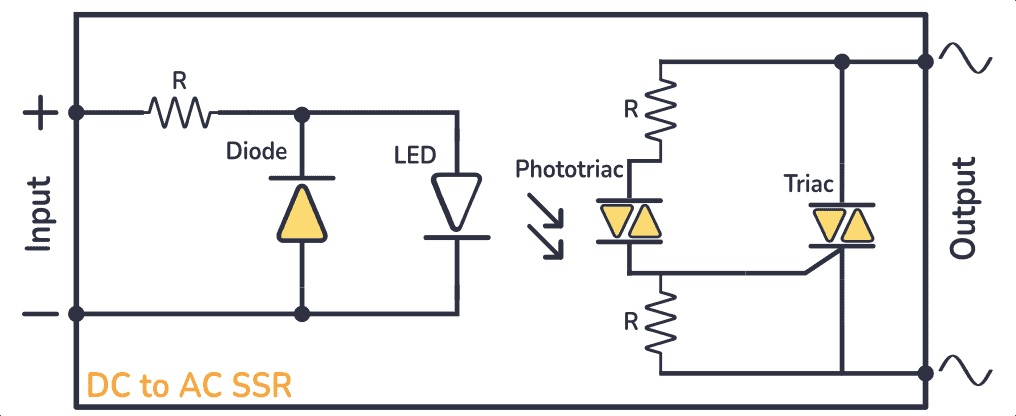
Solid state relay diagram ensures precise connections and operational safety standards

Solid state relays (SSRs) are critical components in modern automation and electrical systems. Their ability to switch high voltages and currents without mechanical contacts makes them highly reliable. Understanding a solid state relay diagram ensures precise connections and enhances operational safety standards, ultimately improving system performance. Technicians depend on solid state relay diagram for maintenance.

Key Components in a Solid State Relay Diagram

A solid state relay diagram provides a visual representation of its internal and external connections. Familiarity with these elements is essential for engineers and technicians. Typical components include:

  • Input Control Terminals – These terminals receive control signals from low-voltage sources. Correct wiring ensures accurate relay activation.
  • Output Switching Terminals – Connected to the load, these terminals manage high-power circuits safely.
  • Opto-Isolator – This component separates the input from the output, protecting sensitive control circuits from high voltage.
  • Semiconductor Switch – Usually a TRIAC or MOSFET, responsible for switching the load without mechanical wear.
  • Protection Devices – Elements like snubber circuits prevent voltage spikes, enhancing system reliability.

Benefits of Using Solid State Relay Diagrams

Following a solid state relay diagram accurately brings numerous advantages:

  • Precision in Connections – Diagrams provide exact pinout details, reducing errors during installation.
  • Enhanced Safety Standards – Correct wiring ensures isolation between control and load circuits, minimizing risks.
  • Efficient Troubleshooting – Clear diagrams allow technicians to quickly identify faults or incorrect connections.
  • Prolonged Component Lifespan – Proper connection prevents overloading, ensuring SSRs last longer.
  • System Reliability – Precise installations improve overall automation stability and performance.

Practical Tips for Implementing SSR Diagrams

To maximize the advantages of solid state relay diagrams, follow these practical guidelines:

  • Verify Control Voltage – Always check that the input voltage matches the diagram specifications before connecting.
  • Observe Load Ratings – Ensure the load does not exceed the SSR’s rated capacity.
  • Maintain Correct Polarity – Proper connection of positive and negative terminals prevents malfunction.
  • Use Protective Accessories – Incorporate fuses, heat sinks, or snubber circuits to enhance operational safety.
  • Document Changes – If adjustments are made, update the diagram for future reference and maintenance.

Enhancing Operational Safety Through SSR Diagrams

Operational safety is paramount when dealing with high-power electrical systems. Solid state relay diagrams play a critical role by:

  • Preventing accidental contact with live circuits.
  • Ensuring opto-isolation protects control circuits.
  • Guiding the correct installation of heat dissipation mechanisms.
  • Reducing downtime by minimizing installation and troubleshooting errors.

Conclusion

Mastering solid state relay diagrams empowers engineers and technicians to create precise, safe, and reliable electrical systems. By following clear visual guides, professionals can enhance both performance and safety standards in automation and industrial applications. Utilizing these diagrams not only streamlines installation but also fosters confidence in system integrity, promoting long-term operational excellence.